
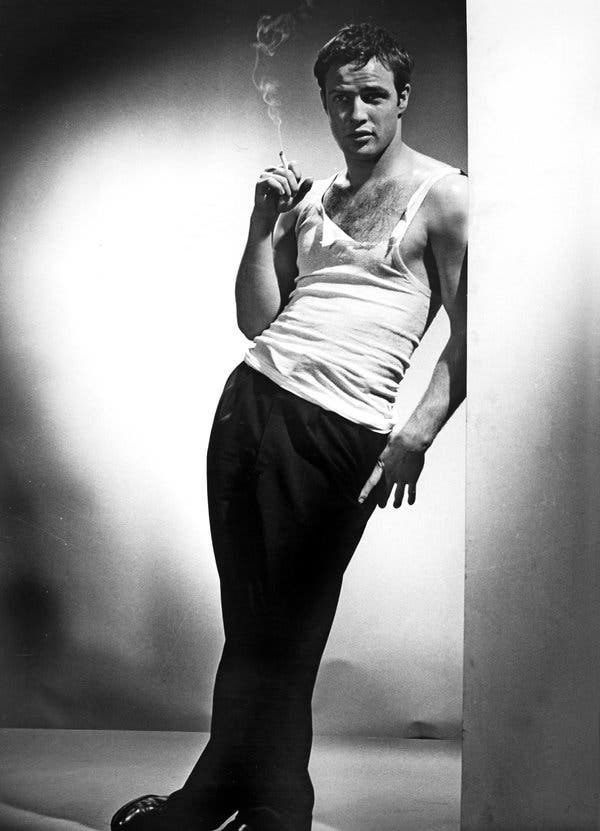
why is it called a wife beater The expression “wife beater” is an informal American slang term for a sleeveless undershirt or tank top. The garment is usually white, made from cotton or a cotton blend, and designed with a close-fitting ribbed construction.
Despite the name, there is nothing inherently violent about the clothing.
The nickname developed because of a stereotype in American popular culture that associated men wearing white sleeveless undershirts with aggressive, working-class, or abusive male characters. Over time, the stereotype became attached to the garment itself.
The phrase is now widely recognized, but its precise origin is difficult to establish. There is no universally accepted single person, movie, or event that can definitively be identified as the moment when the term was invented.
That distinction matters because many explanations online present one particular story as proven fact when the historical record is considerably more complicated.
Why Is It Called a Wife Beater?
The simplest explanation is that the nickname emerged from a stereotype connecting the sleeveless undershirt with domestic violence.
The stereotype became particularly recognizable in American popular culture during the 20th century. Fictional male characters were sometimes portrayed wearing white tank-style undershirts while being depicted as tough, aggressive, poor, angry, or violent.
Domestic-abuse storylines reinforced the association.
The garment itself did not cause the nickname. Instead, the name reflected a cultural stereotype that connected a particular style of clothing with a fictional image of an abusive man.
The Important Difference Between Fact and Popular Myth
One of the biggest challenges in answering “why is it called a wife beater” is separating documented history from stories that have been repeated online.
A commonly repeated explanation says the term originated from newspaper reports about a particular domestic-violence case involving a man who was photographed or described wearing a sleeveless undershirt.
That story is often presented as the definitive origin.
However, researchers and language historians have found that the evidence for a single, universally accepted origin is weak. Slang frequently develops gradually, and several cultural influences can contribute to the popularity of a term.
Therefore, it is more accurate to say that the expression became associated with a stereotype of domestic violence rather than confidently attributing the entire term to one famous incident.
The History of the Tank Top
To understand the nickname, it helps to look at the history of the clothing itself.
The sleeveless undershirt was not originally designed as a symbol of violence or masculinity.
Early Undershirts
Undershirts developed as practical clothing worn beneath other garments.
They served several purposes:
- Absorbing sweat
- Protecting outer clothing
- Providing an additional layer
- Improving comfort
- Helping with temperature regulation
Sleeveless versions became particularly useful for physical activity because they allowed greater freedom of movement.
The style eventually became common among athletes and workers.
The Influence of Sports
Sports played an important role in popularizing sleeveless clothing.
Athletes needed clothing that allowed their arms and shoulders to move freely. As sportswear became more visible, sleeveless tops became increasingly familiar to the public.
The tank top eventually moved beyond athletic settings and became an everyday clothing item.
This history demonstrates that the garment had legitimate practical and fashion purposes long before the slang expression became widespread.
Pop Culture and the “Wife Beater” Stereotype
Movies and television helped strengthen the association between white tank tops and particular character types.
Hollywood has repeatedly used clothing to communicate information about fictional characters quickly. A costume can suggest someone’s occupation, social background, personality, or lifestyle without requiring dialogue.
The white sleeveless undershirt became one such visual shorthand.
Marlon Brando and A Streetcar Named Desire
One of the most famous examples is Marlon Brando in the 1951 film A Streetcar Named Desire.
Brando’s character, Stanley Kowalski, is frequently associated with the iconic white undershirt. The character is physically powerful, working-class, confrontational, and emotionally volatile.
The movie became enormously influential, and Brando’s appearance helped establish the white tank-style undershirt as an enduring image of rugged masculinity.
However, it would be inaccurate to claim that A Streetcar Named Desire invented the expression “wife beater.”
The movie contributed to the cultural imagery surrounding the garment, but the slang term’s development appears to have been more complicated.
Later Movies and Television
Later films and television programs repeatedly used similar clothing choices.
Male characters wearing white sleeveless undershirts were often portrayed as:
- Tough
- Working-class
- Rebellious
- Masculine
- Aggressive
- Physically strong
In some cases, characters were also involved in domestic conflicts or violent storylines.
Repeated exposure to these images helped reinforce the stereotype.
Why the Term Became So Common
Slang often becomes popular because it is memorable.
“Tank top” is a neutral description of the garment. “Wife beater” is much more emotionally striking. Because the phrase is provocative, it can spread quickly through casual conversation, movies, comedy, advertising, and popular culture.
Once enough people understand a nickname, it can become normalized even when its original association is problematic.
This is not unusual in language. Words and expressions can change meaning or develop new cultural associations over time.
Is “Wife Beater” an Offensive Term?
Many people consider the expression offensive because it trivializes or makes a joke out of domestic violence.
Domestic violence refers to abusive behavior within an intimate or family relationship. It can include physical violence, emotional abuse, coercive control, threats, sexual violence, financial abuse, and other forms of harm.
Using the name of domestic violence as a humorous nickname for clothing can therefore make some people uncomfortable.
Why People Prefer “Tank Top”
“Tanking top” or “tank top” is a straightforward clothing description without the violent association.
Other commonly used alternatives include:
- White tank top
- Ribbed tank
- Sleeveless undershirt
- Cotton tank
- Men’s tank top
- Athletic tank
- Undershirt
These descriptions are especially useful in professional writing, retail, fashion journalism, and product descriptions.
Is It Actually a Wife Beater?
No.
The garment has no connection to domestic violence in any literal sense.
A white sleeveless undershirt is simply an item of clothing. The slang name comes from a cultural association and stereotype, not from the garment’s design or purpose.
It is also important not to assume anything about a person’s character based on their clothing.
Someone wearing a white tank top is not communicating that they are violent, aggressive, or abusive. Clothing stereotypes are cultural constructions rather than reliable descriptions of individuals.
Why the Term Still Appears in Fashion
Despite the controversy surrounding the nickname, the garment remains popular.
Fashion brands commonly sell white ribbed tanks and sleeveless undershirts because they are versatile and inexpensive.
They can be worn:
- Under shirts
- With jeans
- With shorts
- During exercise
- At the beach
- As casual summer clothing
- As a base layer
The modern fashion industry generally uses neutral terms such as “tank top,” “ribbed tank,” and “undershirt” when describing these products.
The Difference Between a Tank Top and an Undershirt
Although the terms are sometimes used interchangeably, there can be a practical distinction.
A tank top is usually considered outerwear or casual clothing. It may come in different colors, fabrics, cuts, and designs.
An undershirt is typically intended to be worn beneath another shirt.
The classic white ribbed sleeveless undershirt can serve both purposes depending on the wearer and setting.
Why White Became So Iconic
White became strongly associated with the classic undershirt because it was historically practical and easy to manufacture.
White also created a recognizable visual contrast in film and photography. As a result, the white sleeveless undershirt became a particularly recognizable version of the tank top.
How Language Changes Over Time
The history of “wife beater” demonstrates how language can attach cultural meanings to ordinary objects.
A word or phrase may begin in a particular social context and later become widespread. People can then use it without knowing where it originated.
Language can also change as social attitudes change.
As awareness of domestic violence has increased, some speakers have become more uncomfortable with terminology that treats abuse as a joke. This has encouraged greater use of neutral alternatives.
The process is not necessarily about changing the garment itself. Instead, it is about choosing language that accurately describes the object without unnecessary associations.
Frequently Asked Questions
1. Why is it called a wife beater?
The phrase became associated with a stereotype of men wearing white sleeveless undershirts and being portrayed as aggressive or abusive. The exact origin of the slang term is uncertain and is not conclusively tied to one incident.
2. Is “wife beater” the official name for a tank top?
No. “Wife beater” is slang. Tank top, sleeveless undershirt, and ribbed tank are neutral terms for the clothing.
3. Did Marlon Brando invent the term?
There is no reliable evidence that Marlon Brando invented the expression. His appearance as Stanley Kowalski in A Streetcar Named Desire did, however, become an influential part of the cultural image associated with the white undershirt.
4. Is it offensive to call a tank top a “wife beater”?
Some people consider the phrase offensive because it makes domestic violence part of a humorous clothing nickname. Whether someone uses the term depends on their context and personal preference, but neutral alternatives are widely available.
5. What should you call a “wife beater” instead?
The most straightforward alternatives are tank top, white tank top, ribbed tank, or sleeveless undershirt. The best term depends on whether the garment is being worn as an undershirt, casual clothing, or sportswear.
Conclusion
So, why is it called a wife beater? The answer lies primarily in American slang and popular culture rather than the history or purpose of the clothing itself. The sleeveless undershirt has a long history as practical clothing for athletes, workers, and everyday wear, while the nickname developed from a stereotype associating the garment with aggressive or abusive male characters.
Movies and television helped reinforce that image, with iconic performances such as Marlon Brando’s Stanley Kowalski contributing to the cultural association between white sleeveless undershirts and rugged masculinity.
There is no universally established single event that can definitively be identified as the origin of the phrase. For that reason, explanations claiming one particular incident created the term should be treated cautiously.
Today, many people simply use terms such as tank top, white tank, ribbed tank, or sleeveless undershirt. These names describe the clothing accurately without connecting an everyday fashion item to domestic violence.
Ultimately, the history of the phrase is a useful example of how language, entertainment, stereotypes, and changing social attitudes can shape the names we give ordinary objects.