
Introduction
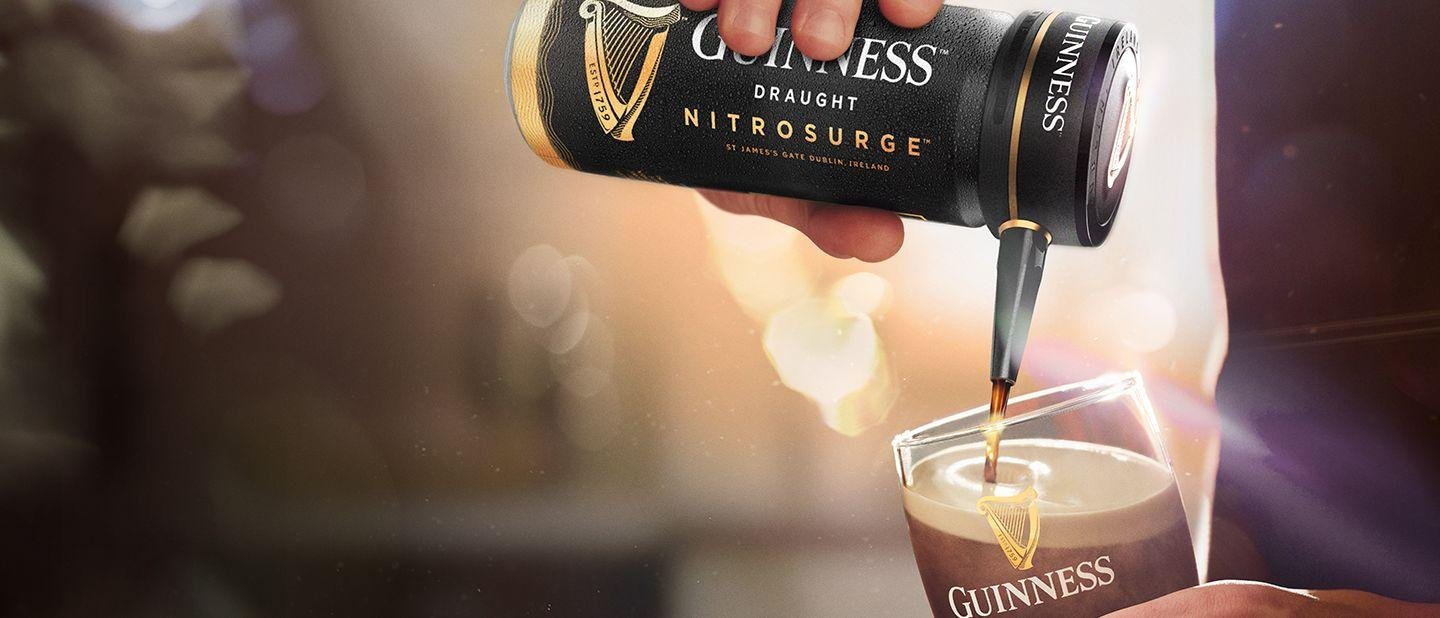
If you’ve ever watched a freshly poured pint of Guinness settle at the bar—dark body, cascading bubbles, and that tight, creamy head—you already know it’s not just “a beer.” It’s a ritual and a sensory experience. Guinness Nitrosurge cans were made for people who want that draught-style moment at home, without needing a keg system or professional tap setup. Done right, a Nitrosurge pour can look shockingly close to a pub pint: the surge, the settle, the velvety texture, and the signature head that sits like foam cappuccino.
This guide breaks down everything you need to know about Guinness Nitrosurge cans from beginner basics to advanced techniques: what makes them different from standard Guinness cans, how the Nitrosurge device actually creates that draught-like cascade, the exact pouring method that gets the best head, common mistakes that ruin the pour, and practical troubleshooting when things don’t look or taste right. By the end, you’ll be able to consistently serve a gorgeous, creamy Guinness at home—and understand why it works.
What Are Guinness Nitrosurge Cans?
Guinness Nitrosurge cans are designed to deliver a draught-style drinking experience using a dedicated Nitrosurge device. Traditional Guinness draught is known for nitrogenation (nitrogen plus a small amount of carbon dioxide), which creates smaller bubbles, a smoother mouthfeel, and a dense, long-lasting head. Reproducing that at home has always been tricky because a tap system helps control pressure and the “breakout” of gas.
Nitrosurge cans aim to bridge that gap. They’re specifically formulated to work with the Nitrosurge unit, which agitates the beer as you pour to encourage that characteristic surge and creamy foam formation. In other words, the can and device are meant to be used together as a system, not as separate “nice-to-haves.”
Nitrosurge vs. Regular Guinness Draught Cans (Widget Cans)
A lot of people first ask: “Is this just the same as the widget can?” Not exactly.
Widget cans typically contain a small plastic widget that releases gas when the can is opened, helping create foam and a smoother texture. Nitrosurge cans, on the other hand, are engineered to be paired with the Nitrosurge device, which adds an extra layer of agitation to mimic the pub-style cascade and head formation more closely. You may still get a pleasant pint from a widget can, but the Nitrosurge setup is specifically trying to replicate the draught experience more dramatically and consistently.
What “Nitro” Actually Means for Taste and Texture
Nitrogen behaves differently than carbon dioxide. CO₂ dissolves more readily and can create sharper carbonation and bite. Nitrogen produces finer bubbles and a softer, creamier mouthfeel. That’s why a nitro stout feels smoother, looks more velvety, and builds a denser head—when poured correctly.
How the Guinness Nitrosurge Device Works (In Plain English)
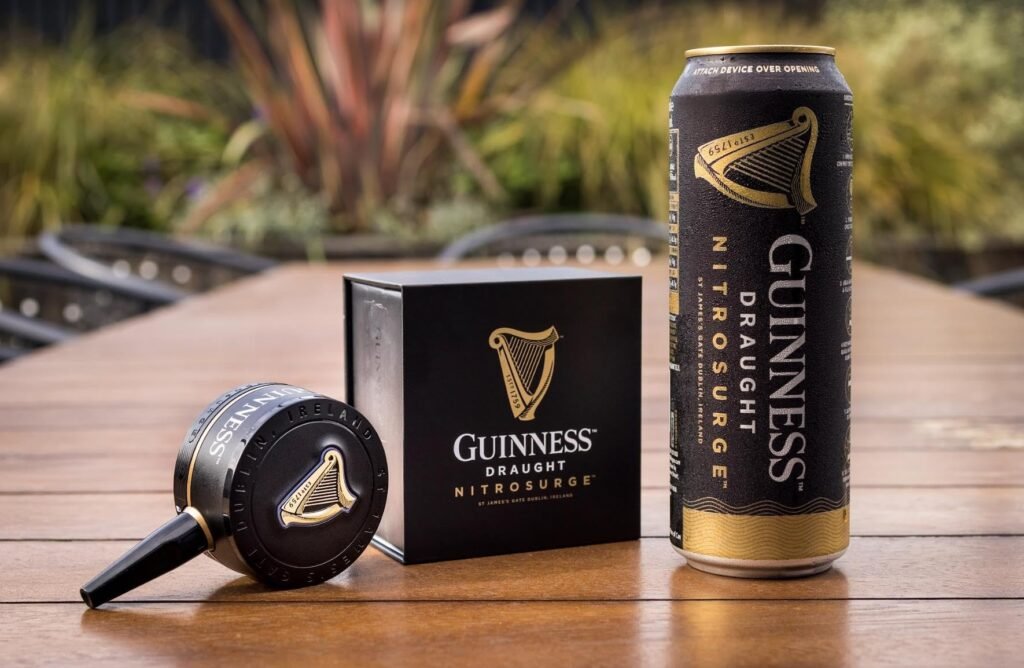
The magic of Guinness Nitrosurge cans isn’t only the beer—it’s the way the device helps the beer release gas during the pour. The Nitrosurge unit attaches to the top of the can and uses ultrasonic agitation (high-frequency vibration) to stimulate the formation of micro-bubbles. Those tiny bubbles are what create the visual cascade and the thick, tight head that people associate with a fresh draught Guinness.
Think of it like this: the beer already contains the right mix of dissolved gases. The device helps “wake them up” at the right time and in the right way so the pour behaves more like a pint leaving a tap with a restrictor plate.
Why the Pour Looks Like a “Cascade”
The famous Guinness surge-and-settle effect happens because of bubble dynamics in the glass. The bubbles rise in the center and move downward near the sides due to circulation patterns. It looks like the beer is falling, even though the gas is rising overall. A good Nitrosurge pour encourages that show, which isn’t just for looks—it’s a sign that the foam structure is forming properly.
What You Need for the Best Nitrosurge Pint at Home
Before you pour, set yourself up for success. Small details matter more than most people expect.
1) Guinness Nitrosurge Cans (Correct Type)
Nitrosurge cans are not interchangeable with every Guinness product. For best results, use cans specifically labeled for use with the Nitrosurge device. If you try to use the device with a can not intended for it, you may get weak surging, odd foam, or inconsistent head formation.
2) The Right Glassware (This Matters More Than People Admit)
A clean pint glass is ideal. A tulip pint or nonic-style pint glass will help with head formation and presentation. Avoid heavy soap residue because it kills foam and ruins head retention.
Practical rule: if your glass has any greasy film or leftover detergent, your head will collapse faster and the pour will look flat.
3) Temperature: Chill the Can, Not the Glass Into an Ice Block
Guinness generally pours best when properly chilled—not half-frozen. A very cold can can mute flavor and make foam behave oddly; a warm can can over-foam and lose that smooth texture.
Aim for a “fridge cold” can. If you want to be precise, think cool enough to stay crisp, but not so cold that it dulls aroma and body. Also, don’t freeze the glass. A lightly chilled glass is fine, but a frosty glass can cause excessive foam release and disrupt the settle.
How to Pour Guinness Nitrosurge Cans for the Perfect Head (Step-by-Step)
If you only take one thing from this article, let it be this: the pour is everything. Nitro-style drinks reward confidence. A timid pour usually leads to disappointment.
Step 1: Prep the Can and Glass
Make sure the can is properly chilled and has been sitting still. If it’s been shaken in a bag or rolling around in a car, give it time to rest.
Use a clean, room-temp or lightly chilled pint glass. Rinse with cold water and shake out excess if you want a classic pub trick—this can help reduce random nucleation points and support a smoother pour.
Step 2: Open the Can and Attach the Nitrosurge Device Properly
Attach the device securely according to its design. A loose fit can reduce the effect and lead to a weaker surge. Make sure the unit is powered and ready.
Step 3: Pour With Commitment
Tilt the glass roughly 45 degrees and begin pouring. As you pour, straighten the glass to encourage the head to form. Nitro pours typically benefit from a more assertive pour than standard carbonated beers. You’re helping the beer create the correct foam structure.
Step 4: Let It Settle
Once poured, wait for the surge and settle. This isn’t just theatre—settling allows the head to tighten and the body to clarify into that iconic deep ruby-black.
Step 5: Top-Up (If Needed)
Depending on your technique and glass size, you may want a small finishing pour to shape the head. Aim for a creamy cap that sits proudly, not a huge bubbly foam dome.
Detailed Main Sections: Getting the Best Flavor, Texture, and “Pub Pint” Look
Understanding Head Quality: Tight Foam vs. Big Bubbles
A proper Guinness head is fine-textured and creamy, not airy like soda foam. If you’re getting large bubbles, it usually points to one of these issues:
The beer is too warm, the glass isn’t clean, the pour is too hesitant, or the device isn’t engaged properly.
A tight head also improves the drinking experience. It carries roasted aromas and gives each sip a smoother, silkier feel.
The Role of Glass Cleanliness (Foam’s Best Friend or Worst Enemy)
People often blame the can or device when the real culprit is the glass. Oils, grease, and detergent residue destroy foam stability. If you’ve ever seen bubbles clinging in odd patterns or a head that disappears fast, suspect the glass first.
Expert habit: keep a “beer-only” glass or wash beer glasses separately with minimal detergent and plenty of rinsing. Let them air dry.
Getting the Classic Surge at Home: What Affects It?
If you want the signature cascade, these factors matter:
Can freshness and storage conditions (extreme heat can degrade performance)
Beer temperature (too warm often creates chaotic foam; too cold can reduce expression)
Pour speed and angle (too slow often weakens the surge)
Device power/battery condition (weak power can reduce agitation)
Glass shape (some shapes showcase the cascade better)
Practical Insights: How to Make Nitrosurge Part of Your Routine
Guinness Nitrosurge cans shine when you treat them like a small ritual rather than a quick crack-and-sip drink.
Create a Simple “Two-Minute Setup”
Keep a couple of cans chilled.
Keep one dedicated clean pint glass ready.
Make sure the device is clean and charged.
Pour, settle, enjoy.
This tiny routine is the difference between “pretty good from a can” and “wow, that’s close to the pub.”
Serve It With Food Like You Would at a Bar
Nitro stout is incredibly food-friendly because the roasted notes and creamy texture play well with salty and savory dishes. Try it with:
Burgers and grilled meats
Oysters or seafood
Sharp cheddar or aged cheeses
Stews and braised dishes
Chocolate desserts (especially dark chocolate)
The smoother nitrogen mouthfeel can tame spice and complement rich sauces without feeling fizzy or aggressive.
Examples: What a Great Pour Looks Like (And What a Bad One Looks Like)
Example 1: The “Textbook” Nitrosurge Pint
You pour confidently into a clean pint glass. Within seconds, you see a strong cascade along the sides. After settling, the body becomes uniformly dark with a creamy, tan head about a finger to two fingers thick. The first sip is smooth, with a soft bitterness and roasted coffee/chocolate notes.
Example 2: The “Flat and Lifeless” Pint
You poured slowly, the device wasn’t fully engaged, or the can was too cold. The beer lands with little foam, minimal surge, and the head fades quickly. Flavor can seem muted, and the mouthfeel feels thinner than expected.
Fix: pour more assertively, check device fit/power, and make sure the can is chilled but not icy.
Example 3: The “Foam Explosion”
The can was warm or shaken, or you poured too aggressively into a dirty or frosted glass. You get a big, loose foam cap that looks airy and uneven, sometimes with large bubbles popping quickly.
Fix: let the can rest, pour at a controlled angle, use a clean non-frozen glass, and aim for firm, creamy foam—not maximum foam.
Expert Tips to Get the Best Results Every Time
Tip 1: Let the Can Settle After Transport
If the cans have been jostled, give them time in the fridge to calm down. Even a short rest can improve control and head quality.
Tip 2: Don’t Underestimate the “Hard Pour”
Nitro-style pours often need more energy than a standard lager pour. If you baby the pour, you often end up with a disappointing head and weaker surge.
Tip 3: Keep the Device Clean (It Affects Performance)
After pouring, the device will have beer residue. Rinse it so it doesn’t build up sticky layers that can impact fit, flow, and hygiene. A quick rinse right after use is easier than scrubbing later.
Tip 4: Choose the Right Glass Size
If you’re using a full-size pint glass and a can size that doesn’t fill it completely, you can still get a beautiful pour—just don’t chase an artificially tall head to “fill the space.” The goal is a balanced head-to-beer ratio that drinks well.
Tip 5: Learn the Look of “Settled and Ready”
A good Guinness pint changes over a short window. The beer looks alive during the surge, then it tightens and becomes glossy and uniform. Drinking too early isn’t “wrong,” but if you want the classic experience, give it that settling moment.
Advanced Level: Getting Consistency Like a Pro
Dialing In Temperature for Mouthfeel and Aroma
Nitro stout can taste dramatically different across small temperature changes. Too cold and the roasted malt character hides. Too warm and it can feel heavier and the foam may become less controlled.
If you want to fine-tune:
Cooler serving emphasizes crispness and dryness.
Slightly warmer serving brings out more chocolate, coffee, and body.
The sweet spot is where it still feels smooth and refreshing but not muted.
Controlling Foam Density Through Pour Technique
You can influence head thickness and density by how quickly you transition from tilted glass to upright.
More upright earlier tends to build more head.
Staying tilted longer tends to reduce head formation.
Once you understand this, you can adjust based on your preference rather than guessing.
Storage and Shelf Handling: Protecting the Nitrogenated Character
Keep cans stored cool and out of direct heat. Avoid leaving them in hot cars, near ovens, or in sunlit windows. Heat stresses the beer and can lead to less satisfying texture and aroma, even if it’s still safe to drink.
Also, store upright if you can. While it’s not always essential, upright storage helps keep things consistent when you’re chasing the best pour.
Common Mistakes (And How to Fix Them Fast)
Mistake 1: Using the Wrong Can Type
Not all Guinness cans are designed for the Nitrosurge system. If the can isn’t intended for the device, results may be underwhelming.
Fix: make sure you’re using Guinness Nitrosurge cans specifically labeled for that purpose.
Mistake 2: Pouring Too Slowly
A slow, careful pour feels logical, but nitro drinks often need energy to create the right foam.
Fix: pour confidently. You’re trying to create micro-bubbles and a tight foam structure.
Mistake 3: Dirty Glassware
Even tiny traces of grease kill the head.
Fix: use a beer-clean glass. Rinse well, skip fabric softener-scented towels, and let the glass air dry.
Mistake 4: Cans That Are Too Warm or Recently Shaken
Warm beer foams differently, and shaken cans can erupt or pour inconsistently.
Fix: chill properly and let the can rest before opening.
Mistake 5: Ignoring Device Power and Fit
A weak battery or improper attachment can reduce the surge effect.
Fix: ensure the device is charged/powered and seated correctly.
Mistake 6: Expecting It to Be Identical to a Pub Tap
Nitrosurge cans can get impressively close, but home conditions vary: glass shape, temperature, and even how you pour. If you treat it like a skill you refine, you’ll get far better results than expecting perfection on the first try.
FAQs About Guinness Nitrosurge Cans
Are Guinness Nitrosurge cans the same as Guinness Draught widget cans?
They’re related in spirit but not the same. Widget cans use an internal widget to help release gas on opening. Nitrosurge cans are designed to be used with the Nitrosurge device, which adds ultrasonic agitation during the pour for a more draught-like surge and head.
Do I need the Nitrosurge device to use Guinness Nitrosurge cans?
To get the intended effect, yes. You can still drink the beer without it, but you’re likely to miss the signature surge and the best version of that creamy nitro head.
Why isn’t my Guinness surging or cascading?
Common causes include: the device not properly attached, low device power, pouring too slowly, beer too cold, or using the wrong glass. Start by checking glass cleanliness and your pour speed—those two fix a lot of “no surge” complaints.
Why is my pint too foamy?
Usually it’s temperature (too warm), a shaken can, a dirty or frosted glass, or an overly aggressive pour straight down.
Let the can rest, use a clean non-frozen glass, pour at an angle, and aim for a controlled but confident pour.
What’s the best temperature for Nitrosurge cans?
Chilled like a proper fridge-cold stout. Avoid extremes—too warm tends to over-foam and feel heavier; too cold can dull flavor and reduce the fullness of the experience.
Can I pour Nitrosurge Guinness into any glass?
You can, but results vary. A clean pint glass generally gives the best balance of presentation and head stability. Oddly shaped glasses can change the surge look and foam behavior.
How do I keep the head creamy and long-lasting?
Use a beer-clean glass, pour with confidence, and let it settle. Also, avoid oily foods on the rim of the glass and avoid soap residue.
Does Nitrosurge Guinness taste different from regular Guinness?
It can taste smoother and feel closer to draught in mouthfeel because the pour encourages finer bubbles and a more stable creamy head. The core stout character is still recognizably Guinness: roasted malt, subtle coffee/chocolate notes, and a dry finish.
Can I store Nitrosurge cans at room temperature?
You can, but cool storage is better for maintaining freshness and the intended drinking experience. Avoid heat and direct sunlight.
How long should I wait after pouring before drinking?
If you want the classic experience, wait for the surge to settle and the head to tighten. Practically, that’s usually around a minute or two, depending on conditions.
Conclusion
Guinness Nitrosurge cans are one of the most satisfying ways to recreate a draught-style Guinness at home without turning your kitchen into a mini bar system. When you understand what’s happening—nitrogen-driven texture, micro-bubble formation, the role of a confident pour, and the importance of a truly clean glass—you stop relying on luck and start getting consistent, pub-worthy pints.
If you want the best results, focus on the fundamentals: chill the can, use the right glass, attach the device properly, pour with commitment, and let it settle. Nail those steps and you’ll get the full experience Guinness Nitrosurge cans were built for: the cascade, the creamy head, and that unmistakably smooth stout finish that makes the whole ritual worth it.