
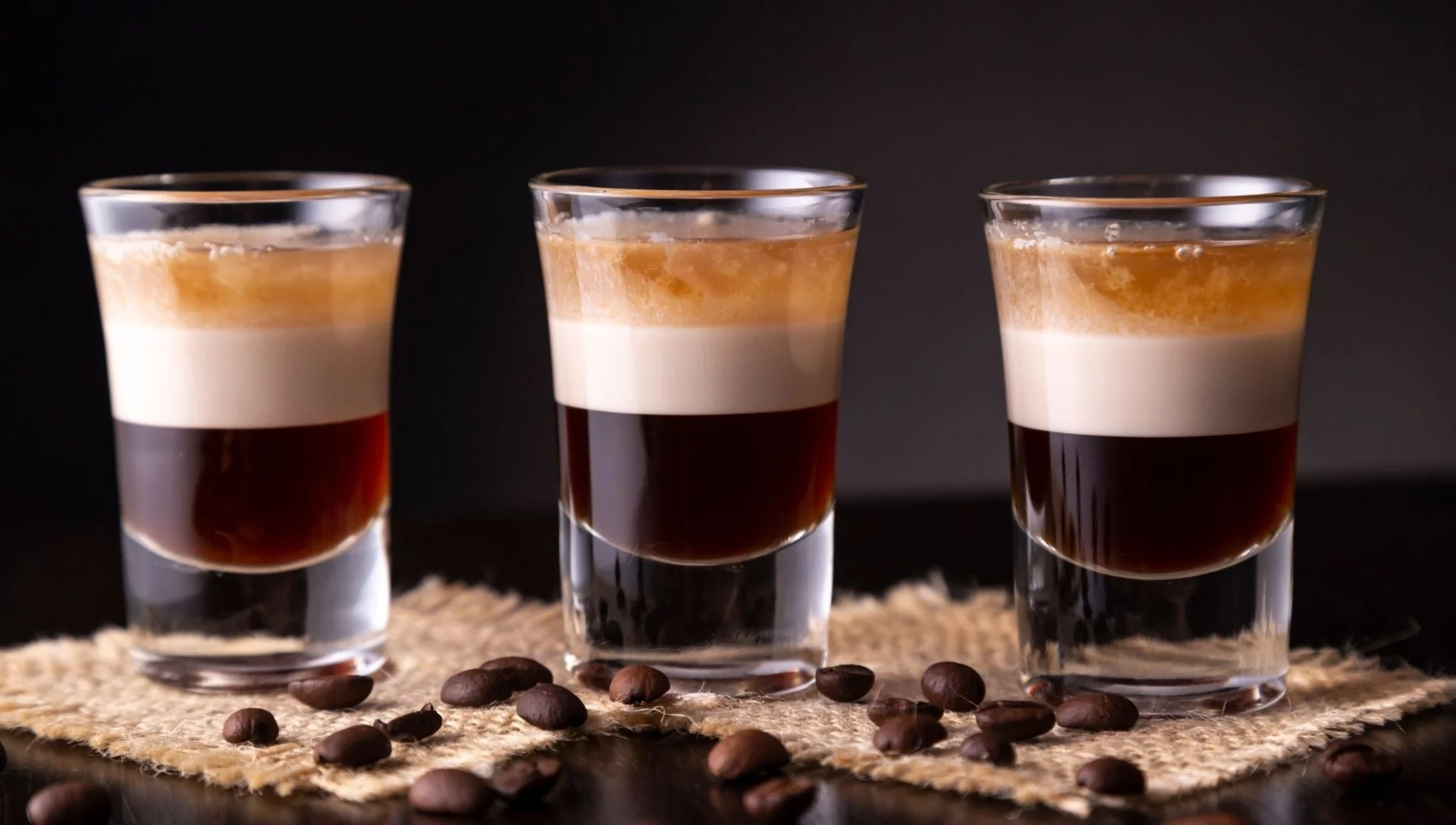
Few drinks get the same reaction as a perfectly built B 52 cocktail drink. Set it on the bar and people lean in. The crisp, clean stripes. The dessert-like aroma. That first sip that somehow tastes like coffee, vanilla cream, and orange-kissed caramel all at once. It’s theatrical, yes—but it’s also a genuinely well-balanced mini-cocktail when made properly.
In this guide, you’ll learn exactly how to make a classic B-52 with sharp layers (even if you’ve never layered a drink before), why the layers work, what tools actually matter, how to serve it confidently, and how to troubleshoot the most common mistakes. We’ll also go beyond the basics with bartender-level tips, smart ingredient swaps, and popular B-52 variations that keep the spirit of the original while changing the flavor profile.
What Is a B 52 Cocktail Drink?
A B 52 cocktail drink is a layered shooter traditionally made with three liqueurs:
- Coffee liqueur (bottom layer)
- Irish cream liqueur (middle layer)
- Orange liqueur (top layer)
It’s best known as a “shot,” but it behaves like a tiny, composed cocktail: sweet, creamy, aromatic, and surprisingly structured. The magic is in the layering—each liqueur sits on top of the next instead of blending, creating distinct bands and a staged flavor experience as you sip.
Even if you’ve seen it served as a quick slam-shot, the B-52 is at its best when you treat it like a deliberate build: chilled glass, gentle pour, correct ratios, and the right technique.
Why the B-52 Layers So Well (The Simple Science)
Layering isn’t luck. It’s density.
Liquids with higher sugar content tend to be denser and sink. Lighter liquids float. The classic B-52 works because:
- Coffee liqueur is relatively dense and syrupy, so it settles at the bottom.
- Irish cream is slightly lighter and can float when poured gently.
- Orange liqueur (especially higher-proof styles) is often lighter still and stays on top.
That said, different brands vary. Two orange liqueurs can behave differently, and even the temperature of your bottles can change how cleanly the layers stack. Don’t worry—later in this article you’ll get practical ways to control all of that.
B 52 Cocktail Drink Ingredients (Classic Build)
The Classic B-52 Recipe (Standard Ratios)
The most common build uses equal parts:
- 1/2 oz coffee liqueur
- 1/2 oz Irish cream liqueur
- 1/2 oz orange liqueur
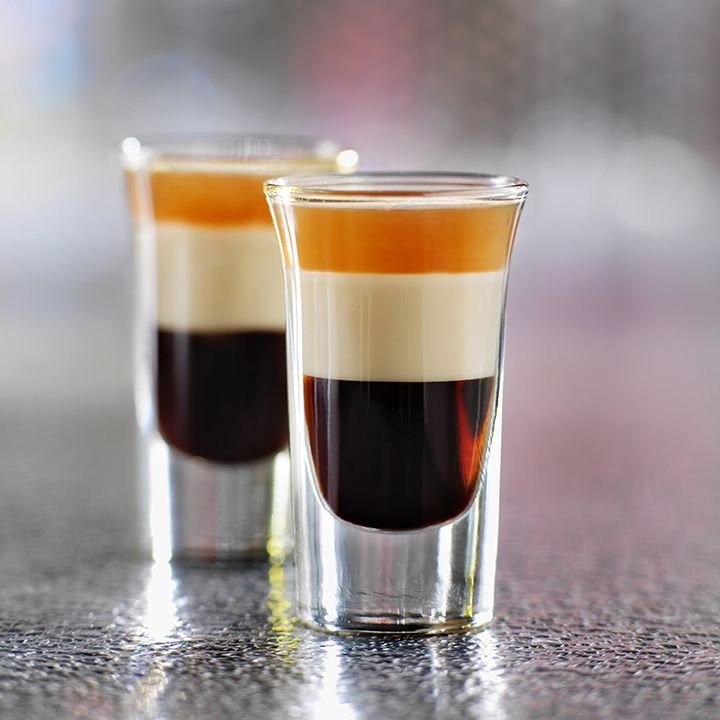
This produces a full, rounded shooter that fills a standard shot glass with attractive, defined stripes.
Best Spirits and Liqueur Choices (Without Overthinking It)
You can make an excellent B 52 cocktail drink with many brand combinations, but here’s what to look for:
Coffee liqueur
Choose a coffee liqueur with a rich, syrupy feel. The deeper and slightly sweeter it is, the easier the base layer behaves.
Irish cream
Any classic Irish cream liqueur works well. For the cleanest middle layer, pick one with a smooth, cohesive texture (not watery).
Orange liqueur
This is where many B-52 builds succeed or fail visually. Lighter, higher-proof orange liqueurs tend to float more cleanly. If your top layer keeps bleeding into the cream, your orange liqueur may be too heavy or you’re pouring too aggressively.
Tools You’ll Want (And What You Can Use Instead)
Ideal tools
- A clear shot glass (or narrow cordial glass) for maximum visual impact
- A bar spoon (the classic layering tool)
- A jigger for consistent measurements
No bar spoon? Use these
- A teaspoon (held upside down)
- The back of a clean stirring spoon
- A small measuring spoon
The key is having a curved surface to slow the pour and spread the liquid gently across the layer beneath it.
How to Make a B 52 Cocktail Drink (Step-by-Step)
Step 1: Start with the coffee liqueur
Measure 1/2 oz coffee liqueur and pour it directly into the shot glass. This is your foundation, so you can be direct here.
Step 2: Layer the Irish cream (the make-or-break step)
Hold a bar spoon just above the coffee liqueur with the back of the spoon facing upward. Slowly pour 1/2 oz Irish cream over the back of the spoon so it drapes onto the coffee liqueur rather than plunging into it.
Go slower than you think you need to. If you rush this step, the drink will blend and turn into a single tan color.
Step 3: Layer the orange liqueur on top
Rinse the spoon if needed (to avoid dragging cream into the top layer). Then repeat the same technique to float 1/2 oz orange liqueur over the Irish cream.
If done correctly, you’ll see three distinct bands: dark coffee, creamy beige, and a warm amber top.
Step 4: Serve immediately (and decide how it should be enjoyed)
A B-52 can be sipped slowly to experience the changing flavors. If someone intends to shoot it quickly, they’ll still enjoy it—but the layered craftsmanship is best appreciated with a controlled sip.
Practical Insights: Getting Clean Layers Every Time
Chill the liqueurs (but don’t overdo it)
Light chilling can help liquids pour more smoothly and reduce turbulent mixing. However, very cold, thick liqueurs can become sluggish and “glop” into the glass, which can disturb the layers. Aim for cool, not icy-thick.
Pour height matters more than people realize
If you pour from high above the glass, gravity increases the liquid’s momentum, and it punches through layers. Keep the bottle close, and let the spoon do the work.
Control your speed like you’re threading a needle
Layering is basically a slow-motion pour. A steady trickle beats a stop-start dribble because it prevents sudden surges that break the boundary.
Use the right glass shape
A narrow shot glass is forgiving because the layers have less surface area to mix. Wide glasses can still work, but your technique needs to be cleaner.
If your layers blur, it’s not “ruined”
A slightly blended B 52 cocktail drink still tastes great. It just becomes more like a mini dessert cocktail than a showpiece. If it happens mid-service, serve it confidently and adjust your pour on the next one.
Flavor Profile: What a B-52 Tastes Like (And Why It Works)
A well-made B-52 hits in waves:
- The first aroma is bright orange and sweet citrus.
- Then you get silky vanilla-cream notes.
- Finally, roasted coffee and caramel linger on the finish.
The reason it’s so satisfying is contrast. You get sweetness, richness, and a little lift from the orange top note. It’s dessert-like, but not flat.
Serving Ideas: When and How to Serve a B 52 Cocktail Drink
Best occasions
- After-dinner drink as a dessert substitute
- Holiday gatherings where the layered look feels festive
- Cocktail parties where you want a “wow” moment without complex prep
- Celebratory rounds (birthdays, milestones, toasts)
Food pairings that actually make sense
Because the B-52 is sweet and creamy, pair it with:
- Dark chocolate or chocolate mousse
- Espresso desserts like tiramisu
- Orange zest desserts or citrus tarts
- Salted nuts (the salt cuts sweetness and makes the coffee notes pop)
Presentation upgrades (simple but classy)
- Use a spotless, polished shot glass—smudges ruin the visual effect.
- Serve on a small cocktail napkin to keep it neat.
- If you’re making multiple B-52s, line up the glasses and layer each stage across all glasses before moving to the next. It’s faster and more consistent.
Examples: Classic Builds and “Guest-Friendly” Tweaks
Example 1: The classic equal-parts B-52
- 1/2 oz coffee liqueur
- 1/2 oz Irish cream
- 1/2 oz orange liqueur
Best for: first-timers, traditional presentation, clean balance.
Example 2: A less-sweet, more “coffee-forward” B-52
- 3/4 oz coffee liqueur
- 1/4 oz Irish cream
- 1/2 oz orange liqueur
Best for: people who love espresso martinis or coffee cocktails and don’t want it overly creamy.
Example 3: A softer, creamier “dessert shot” version
- 1/2 oz coffee liqueur
- 3/4 oz Irish cream
- 1/4 oz orange liqueur
Best for: guests who prefer creamy drinks and want minimal citrus bite.
Expert Tips for a Restaurant-Quality B 52
Use a “spoon-to-glass” technique, not “spoon-in-air”
Instead of hovering the spoon high above the liquid, bring the spoon close to the surface of the layer you’re pouring onto. Less distance equals less impact, which means cleaner bands.
Rotate the glass slightly as you pour
A tiny rotation helps the incoming liqueur spread around the perimeter rather than drilling into one spot.
Rinse and dry the spoon between layers
If you drag Irish cream residue into the orange liqueur layer, it can create cloudy streaks. A quick rinse and wipe keeps the top layer crisp and jewel-toned.
Choose a higher-proof orange liqueur when you want razor-sharp layers
The top layer tends to behave best when it’s a bit lighter and less syrupy. If you struggle with the third layer, this change often fixes it instantly.
Batch the first layer for speed (but don’t pre-layer)
If you’re hosting, you can pre-measure coffee liqueur into glasses and hold them briefly. But don’t try to layer hours in advance—the boundary lines won’t stay as sharp, and temperature changes can cause blending.
Popular B-52 Variations (Same Concept, New Personality)
The B-52 inspired a whole family of layered shooters. The names vary by region and bar culture, but these variations are commonly recognized and easy to make once you’ve mastered the technique.
B-51 (a nutty, herbal twist)
Often swaps the orange liqueur for a herbal or nutty liqueur. Expect a more complex, less citrus-driven top note.
B-53 (a bolder, higher-octane variation)
Commonly replaces the orange liqueur with a stronger spirit or coffee-forward component, resulting in more bite and warmth. It’s a good option for guests who find the classic too dessert-like.
B-54 (coffee-chocolate vibe)
A frequent approach is to incorporate a coffee-chocolate or almond-chocolate element, making it taste like a mocha truffle.
B-55 (mint meets coffee)
Typically adds a minty top layer. This version can taste like an after-dinner mint with espresso, especially when sipped.
“B-52 Cocktail” as a full-size drink
If someone asks for a “B-52 cocktail drink” and clearly doesn’t want a shot, you can adapt the flavor profile into a larger format:
- Build it in a small rocks glass over ice (it won’t stay layered, but it tastes great).
- Shake coffee liqueur and Irish cream with ice, strain into a small coupe, then float orange liqueur gently on top for a nod to the original.
The key is to keep the signature trio: coffee, cream, and orange.
Advanced Technique: How to Layer Like You’ve Done It for Years
Understand viscosity vs. density
People focus on density, but viscosity (thickness) affects how liquids flow across a layer. Thick Irish cream can either help (by sitting neatly) or hurt (by plopping). If your cream pours too thick, let it warm slightly or pour even slower.
Use micro-pours for perfect edges
Instead of pouring the whole 1/2 oz in one go, pour the first few drops to establish a thin “raft,” then continue slowly. That initial raft helps the remaining liquid spread without breaking through.
Fixing a broken layer mid-build
If you accidentally pierce the cream layer with orange liqueur:
- Stop pouring.
- Let the drink settle for 20–30 seconds.
- Resume with an even slower pour over the spoon, closer to the surface.
You won’t always restore a perfect stripe, but you can often improve it dramatically.
Creating “extra crisp” layers for photos
For the cleanest, most defined look:
- Use a narrow, tall shot glass
- Chill the glass briefly
- Use very slow, steady pours
- Keep everything at a similar cool temperature (big temperature differences encourage movement)
Common Mistakes (And How to Avoid Them)
Mistake 1: Pouring straight in like a normal shot
This is the fastest way to end up with a blended, beige drink. Always use a spoon for layers two and three.
Mistake 2: Using the wrong order
The classic order is coffee liqueur, Irish cream, orange liqueur. If you swap the order, the densities may fight you and the drink won’t stack cleanly.
Mistake 3: Pouring too fast “because it looks easy”
Layering looks effortless when a bartender does it because their speed is controlled. Slow down and you’ll instantly improve your results.
Mistake 4: Expecting identical results with every brand
Different sugar levels and alcohol percentages change density. If your layers don’t behave, adjust your pour speed, chill levels, or orange liqueur choice.
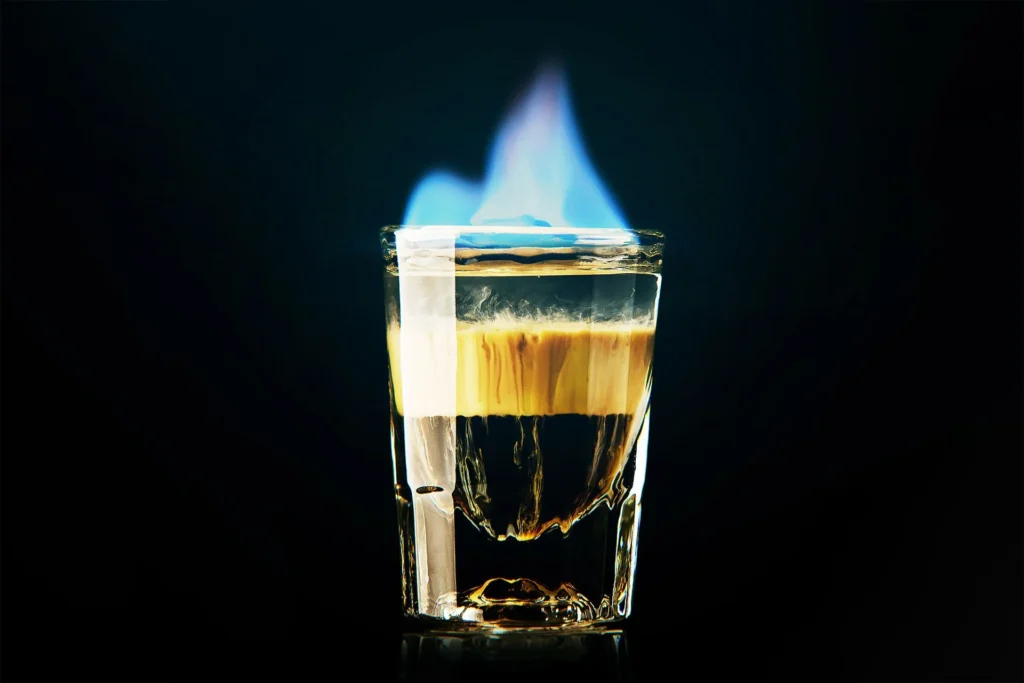
Mistake 5: Turning it into a flaming stunt without caution
Some people light the top layer for a “flaming B-52.” It can look dramatic, but it requires care, the right glassware, and safe handling. If you’re not experienced, skip the flame and focus on a beautiful layered build—the classic presentation already delivers the wow factor.
FAQs About the B 52 Cocktail Drink
Is a B-52 a cocktail or a shot?
It’s traditionally served as a layered shot, but it’s essentially a miniature cocktail because it uses multiple liqueurs in a composed build. Many people call it a “B-52 cocktail drink” for that reason.
What’s the correct B-52 shot ratio?
The classic ratio is equal parts: 1/2 oz coffee liqueur, 1/2 oz Irish cream, 1/2 oz orange liqueur. You can tweak it to taste, but equal parts is the standard.
Can I shake a B-52 instead of layering it?
You can, but it won’t be a layered B-52 anymore. Shaken together over ice and strained, it becomes a creamy coffee-orange dessert cocktail. Delicious, just different.
Why is my Irish cream sinking into the coffee liqueur?
Usually it’s from pouring too fast or too high above the surface. Use a spoon, pour slowly, and keep the spoon close to the liquid. Also make sure your coffee liqueur is the first layer and that you’re using a reasonably syrupy one.
Why is my top layer mixing into the cream?
This often happens when the orange liqueur is heavier than expected or you’re pouring too aggressively. Pour slower, rinse the spoon, and consider using a lighter, higher-proof orange liqueur for a cleaner float.
Can I make a dairy-free B-52?
You can approximate it using a plant-based cream liqueur alternative. Layering may be slightly different because density and texture change, but the flavor concept (coffee + cream + orange) still works.
Should you sip or shoot a B-52?
Either is acceptable, but sipping showcases the layered flavor progression and feels more like a true cocktail experience. If you’re serving guests, a good approach is to present it beautifully and let them choose.
Conclusion: Master the B 52 Cocktail Drink and You’ll Always Have a Showstopper
The B 52 cocktail drink is one of those rare classics that’s both easy to learn and endlessly satisfying to refine. With three familiar liqueurs and a simple layering technique, you can create a drink that looks high-end, tastes like a dessert, and instantly elevates a gathering.
Start with the classic equal-parts build, focus on slow pours over the back of a spoon, and make small adjustments based on how your specific bottles behave. Once you’ve nailed the clean layers, explore variations and serving styles to match different palates—from coffee-forward to extra creamy to citrus-bright.
If you want, tell me which coffee liqueur, Irish cream, and orange liqueur you have on hand, and whether you’re making one drink or a round for a party—I can give you a tailored build that will layer cleanly with those exact bottles.