
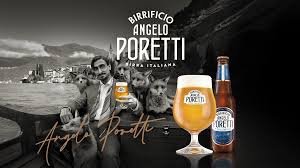
Angelo Poretti isn’t just a name on a label—it’s a piece of Italian brewing history that has managed to feel both classic and surprisingly modern. If you’ve ever ordered a Birra Angelo Poretti and wondered what the “luppoli” numbers really mean, why it tastes so crisp yet aromatic, or which food makes it shine, you’re in the right place. This guide breaks down the story behind Angelo Poretti, the brewing philosophy, the most well-known beer styles in the range, and how to enjoy them like someone who genuinely understands what’s in the glass. You’ll also get practical serving tips, pairing ideas, and the common mistakes that keep people from experiencing Angelo Poretti at its best.
What Is Angelo Poretti?
Angelo Poretti is an Italian beer brand rooted in a long brewing tradition, recognized today for clean, refreshing lagers and hop-led recipes that emphasize aroma and balance. In everyday conversation, most people mean Birra Angelo Poretti when they say “Angelo Poretti”—a brewery identity that blends Italian heritage with a brewing approach shaped by Central European lager culture.
At a glance, you’ll notice one defining theme: hops. Even when the beer is easy-drinking, the branding and flavor profile often lean into hop character—floral notes, gentle citrus, herbal edges, and a tidy bitterness that dries the finish.
The Story Behind Angelo Poretti: Heritage With a Northern Italian Soul
To understand why Angelo Poretti tastes the way it does, it helps to know where it comes from. The brewery was founded in the late 19th century in Northern Italy, an area influenced historically by trade routes, Alpine geography, and brewing traditions that favored precision, clarity, and drinkability. Angelo Poretti, the founder, built his brewing vision around careful ingredient selection and technical discipline—values that still echo in the brand’s identity today.
Northern Italy is also a region where beer has long lived alongside wine at the table, which subtly shapes how many Italian beers are designed: they’re often built to be food-friendly, not just “bar snacks friendly.” That typically means moderate strength, clean fermentation, crisp finishes, and enough hop bitterness to reset your palate between bites.
What “Luppoli” Means (and Why It Matters)
If you’ve seen names like “4 Luppoli,” you’ve already met the brand’s signature concept. “Luppolo” is Italian for hop, and “luppoli” is the plural. In practical terms, the number suggests a recipe built around multiple hop varieties, chosen to layer aroma and bitterness rather than relying on a single hop note.
The real takeaway (more important than the number)
The number itself isn’t a shortcut for “better” or “stronger.” It’s more like a hint about the brewing intent: complexity of hop character. One beer might emphasize delicate floral and herbal notes; another might lean toward citrus, spice, or a firmer bitter finish. The smartest way to use the luppoli labeling is to predict style and intensity, not to treat it as a scorecard.
The Angelo Poretti Range: Styles You’re Likely to Encounter
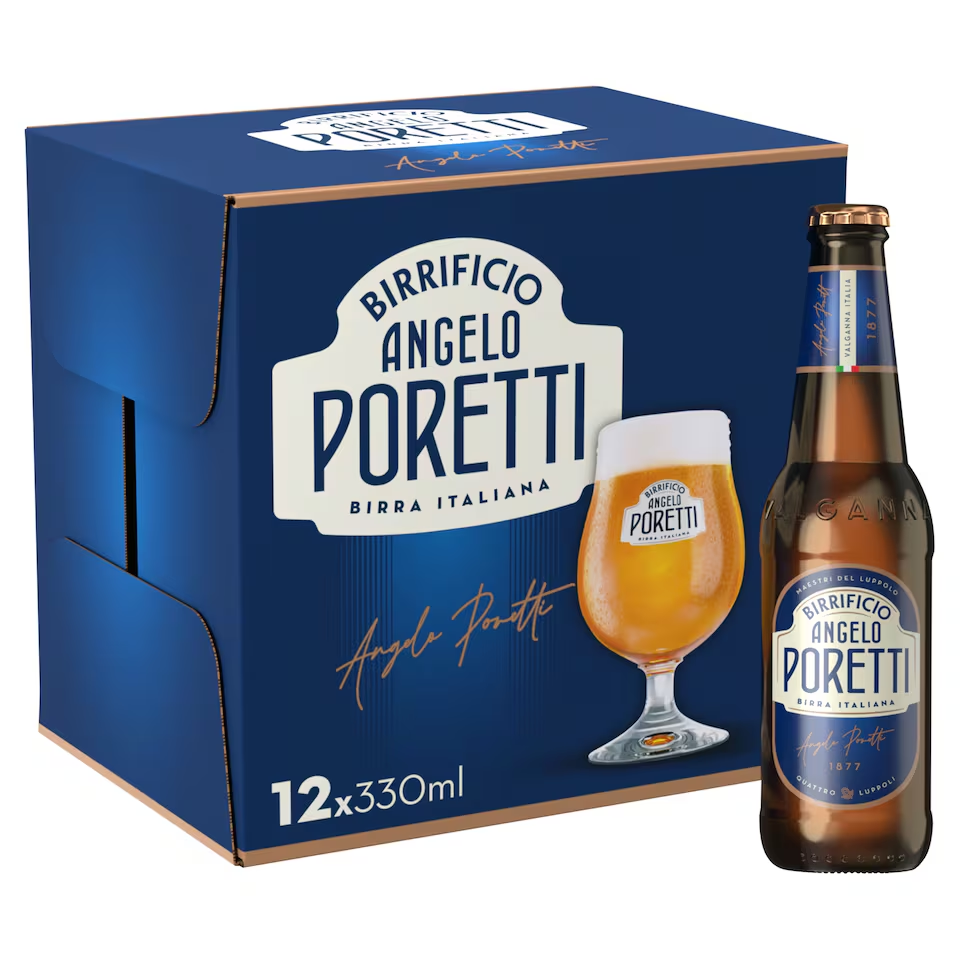
Angelo Poretti’s lineup can vary by market and season, but several expressions are widely recognized. Instead of rattling off a list with generic tasting notes, let’s approach this the way an experienced drinker does: by style, structure, and when you’d actually want to drink each one.
4 Luppoli: The flagship idea—crisp, aromatic, food-friendly
For many people, 4 Luppoli is the introduction to Angelo Poretti. Think of it as a modern, hop-accented lager built to stay refreshing while adding a noticeable aromatic lift. You typically get a clean malt base (bread-crust or light cracker), a bright hop aroma (floral/herbal with hints of citrus), and a finish that doesn’t linger too sweet.
When it shines: aperitivo hours, pizza nights, grilled vegetables, light pastas, fried seafood, or simply as a reliable “one more glass” beer that doesn’t fatigue your palate.
Hop-forward variations: more aroma, more bite, more personality
Depending on where you’re buying, you may find hop-led variations that push further into aromatic territory, sometimes flirting with modern IPA sensibilities while keeping a more European sense of balance. These beers are generally for drinkers who want a stronger hop presence—more citrus peel, resin, spice, or a firmer bitterness.
When it shines: spicy street food, burgers, aged cheeses, or anything rich that needs a bitter edge to cut through.
Darker and maltier options (often in bock territory)
Angelo Poretti is not only about bright, pale lagers. Some expressions lean malt-forward, offering caramel, toasted bread, dried fruit impressions, and a rounder body. These can feel more “winter-friendly” or simply better suited to hearty meals.
When it shines: roast chicken, sausages, mushrooms, polenta, braised dishes, and nutty cheeses.
Unfiltered or naturally hazier styles (when available)
If you spot an unfiltered expression, expect a softer mouthfeel and a more “bready” or cereal-like malt impression. Haze doesn’t automatically mean it’s an IPA-style beer; in many lager families, unfiltered versions can simply taste fuller and more rustic.
When it shines: casual lunches, picnic foods, focaccia, mild cheeses, and dishes where you want softness instead of sharp bitterness.
How Angelo Poretti Is Brewed: A Practical, Drink-What-You-Understand Breakdown
You don’t need to be a brewer to taste like you know what you’re doing—but it helps to understand what shapes the final glass.
Water: the quiet foundation
In crisp lager styles, water is a silent co-author. Balanced mineral content supports clean bitterness and a snappy finish. If a beer tastes “sharp” in a good way—refreshing rather than harsh—water chemistry is part of that story.
Malt: structure, body, and that first impression of “bread”
Even hop-forward beers need a malt foundation. In Angelo Poretti, malt character tends to be supportive rather than dominant: think light biscuit, bread crust, subtle honeyed notes, or gentle toast in darker versions. Malt is what keeps a beer from tasting like hop tea.
Hops: aroma, bitterness, and the brand’s signature
Hops bring:
Aroma (floral, herbal, citrus, spicy)
Bitterness (the dryness at the end of a sip)
Balance (preventing sweetness from clinging)
The “multiple hops” idea matters because layering hop varieties can create a fuller aromatic profile without making bitterness aggressive.
Yeast and fermentation: the reason it tastes “clean”
A clean lager fermentation generally means fewer fruity esters, fewer spicy fermentation notes, and more emphasis on crispness. That’s why Angelo Poretti beers often feel precise: the yeast stays in its lane, letting malt and hops speak clearly.
How to Taste Angelo Poretti Like an Expert (Without Overthinking It)
If you want to get more enjoyment out of Angelo Poretti, use this simple tasting routine. It takes less than a minute and instantly makes the experience richer.
Step 1: Look
Pour into a glass if you can. Notice clarity, foam, and color. A stable white head usually signals decent carbonation and protein structure—both tied to mouthfeel.
Step 2: Smell
Don’t just sniff once. Smell, pause, smell again. You’ll often pick up:
Herbal or floral hop notes first
Then light citrus or spice
Then the malt underneath (crackers, bread, toast)
Step 3: Sip and map the “timeline”
Great beer changes from start to finish:
Entry: malt sweetness or grain
Mid-palate: hop flavor, carbonation lift
Finish: bitterness dryness, clean snap
Step 4: Ask one useful question
“Is this beer designed to refresh, to showcase hops, or to comfort with malt?”
That single question helps you judge it on its own terms.
Practical Serving Insights: Temperature, Glassware, and Pour
A lot of people think beer is “supposed to be ice cold.” For Angelo Poretti, too-cold serving is one of the fastest ways to mute the hop aroma that makes it special.
Best serving temperatures (simple and realistic)
Crisp lagers and hop-forward pale beers: cool, not freezing (roughly refrigerator-cold, then 3–5 minutes in the glass)
Maltier/darker expressions: slightly less cold so the toasted and caramel notes open up
If the beer tastes bland, let it warm a touch and try again. You’ll often be surprised how quickly the aroma returns.
Glassware that actually helps
A simple tulip or a tall, slightly tapered glass is ideal for hop aroma and head retention. A standard pint glass works fine, but you’ll lose some of the aroma intensity.
Pouring technique (the 10-second upgrade)
Tilt the glass, pour steadily, then straighten near the end to build a proper head. Foam isn’t waste—it’s aroma delivery and texture.
Food Pairing: What Angelo Poretti Does Best at the Table
Angelo Poretti tends to be at its best with food. The carbonation scrubs the palate, the bitterness offsets fat, and the clean finish invites another bite.
Pairing with pizza (a perfect match)
Classic Margherita: a crisp hop-accented lager keeps the tomato bright and cuts mozzarella richness
Pepperoni or spicy salami: hop bitterness and carbonation calm spice and grease
Mushroom pizza: maltier versions bring out earthy depth
Pairing with seafood
Fried calamari or shrimp: crisp lager refreshes between bites
Grilled fish with herbs: hop aroma mirrors herbal seasoning
Anchovies or salty seafood: bitterness balances salt, keeping flavors sharp rather than heavy
Pairing with cheese
Fresh cheeses (mozzarella, burrata): lighter, aromatic lagers
Aged cheeses (hard, nutty): more hop intensity or a maltier beer for depth
Blue cheese: choose a beer with enough bitterness or malt richness to stand up, depending on the cheese’s sweetness and salt
Pairing with classic Italian comfort foods
Risotto: lighter beers with herbal hop notes brighten creamy textures
Sausages and roasted meats: maltier expressions or hop-forward variations to cut fat
Pasta with tomato sauce: crisp lagers reset acidity and keep the palate clean
Real-World Examples: Choosing the Right Angelo Poretti for the Moment
Here are a few practical scenarios that mirror how people actually drink beer.
Example 1: You want a “house beer” everyone will enjoy
Choose a crisp, aromatic lager-style expression (often 4 Luppoli). It’s balanced, friendly, and versatile with food. Serve it properly cold but not frozen, in a glass if possible.
Example 2: You’re eating something spicy or greasy
Go for a more hop-forward option with a firmer bitter finish. Bitterness and carbonation are your best friends against oil and heat.
Example 3: It’s a cold evening and you want something richer
Pick a maltier, darker expression. The toasted and caramel notes feel more satisfying, especially with roasted foods.
Example 4: You’re hosting and want to look like you know beer
Offer two options: a crisp hop-accented lager and a maltier/darker beer. Put them in the right glasses, serve at sensible temperatures, and suggest one pairing for each. That’s genuinely more impressive than stocking ten random bottles.
Expert Tips: How to Get the Best Experience From Angelo Poretti
Tip 1: Don’t drink it from the coldest part of your fridge
The back of the fridge can numb aroma. Keep it cold, yes—but if it’s so cold you can barely smell anything, you’re missing a key part of the brand’s hop identity.
Tip 2: Freshness matters more than people admit
Hop aroma fades with time. If you buy hop-forward beers, don’t “save them for later” for months. Enjoy them while the aromatics are still lively.
Tip 3: Use bitterness as a tool
If a meal feels heavy, choose the beer with more bitterness. If the meal is delicate, choose the beer with more finesse and less bite. This mindset makes pairing easy.
Tip 4: Pour it even when you don’t feel like it
The difference between drinking from a bottle/can and from a glass is massive for aroma and foam. If you’re trying to understand what Angelo Poretti is about, pouring is part of the experience.
Tip 5: Taste comparatively
If you can, taste a standard industrial lager next to an Angelo Poretti hop-accented lager. The contrast clarifies what Angelo Poretti is doing: more aroma, more structure, more deliberate balance.
Common Mistakes People Make With Angelo Poretti
Mistake 1: Treating “more luppoli” as automatically “better”
More hop varieties can mean more complexity, but it doesn’t guarantee you’ll prefer it. Some drinkers want crisp and subtle; others want bold and bitter. Choose based on your taste and the food, not the number.
Mistake 2: Serving it ice-cold and calling it “super refreshing”
It might feel refreshing, but the aromatics get muted. The beer can end up tasting generic even when it isn’t.
Mistake 3: Pairing hop-forward beer with delicate flavors
If your dish is subtle—light fish, simple salads, mild cheeses—an aggressively bitter beer can dominate. A balanced, crisp lager is often the better match.
Mistake 4: Storing it improperly
Heat and light are beer’s enemies. Store it cool and out of direct light. If you want the hop character to stay bright, avoid leaving it in warm kitchens or sunny rooms.
Mistake 5: Judging it only by the first sip
Carbonation, temperature, and palate adaptation change perception. Give it a few sips, especially if it’s colder than ideal.
Angelo Poretti for Beginners vs. Enthusiasts: How to Explore the Brand
If you’re new to beer beyond basic lagers
Start with the most balanced, crisp option and focus on:
Can you smell the hops?
Is the finish dry or sweet?
Does it make food taste better?
Once you notice those three things, you’re already drinking more “advanced” than most people.
If you’re a hop lover used to modern craft IPAs
Approach Angelo Poretti with the right expectation. Many expressions are hop-forward in an Italian-lager way: aromatic, structured, and clean rather than hazy, juicy, or aggressively dank. If you want a beer that stays refreshing while still offering hop character, you’ll appreciate what it’s doing.
If you’re a food-and-wine person exploring beer
Think of Angelo Poretti as a table beer with intent. Notice how bitterness functions like a palate cleanser, similar to how acidity works in wine. With Italian food especially, that effect is often the point.
FAQs About Angelo Poretti
What is Angelo Poretti known for?
Angelo Poretti is known for Italian brewing heritage and hop-focused recipes, often highlighted through “luppoli” labeling that suggests layered hop character with a clean, refreshing profile.
What does “4 Luppoli” mean?
“4 Luppoli” refers to a recipe built around four hop varieties. The practical meaning is complexity of hop aroma and balance, not a simple measure of strength or quality.
Is Angelo Poretti a lager or an IPA?
The brand is best known for lager-style beers, though some markets also offer more hop-forward variations that can lean closer to IPA territory. The core identity remains crisp, clean fermentation and food-friendly balance.
How should I serve Angelo Poretti for the best flavor?
Serve it cold but not ice-cold, pour it into a glass to release hop aroma, and aim for a proper foamy head. If the aroma seems muted, let it warm slightly in the glass.
What foods pair best with Angelo Poretti?
Pizza, fried seafood, grilled meats, sausages, and many classic Italian dishes pair extremely well. Choose crisper beers for lighter foods and maltier or more hop-forward options for richer, heavier meals.
Is Angelo Poretti bitter?
Most expressions are balanced rather than aggressively bitter, but you’ll often notice a clean, drying hop finish—especially compared to sweeter, more neutral lagers.
Can I cook with Angelo Poretti?
Yes. Crisp, hop-accented lager works well in beer batter, steaming shellfish, deglazing pans for sausages, or adding lift to simple marinades. Maltier versions can deepen stews or onion-based sauces. The key is not to reduce hop-forward beer too aggressively, since bitterness can concentrate.
Conclusion: Why Angelo Poretti Deserves a Spot in Your Fridge (and on Your Table)
Angelo Poretti sits in a sweet spot that’s hard to fake: it feels approachable for casual drinkers, yet it rewards anyone who pays attention. The hop character is the calling card, but the real strength is balance—clean fermentation, crisp structure, and an easy compatibility with food that makes it feel unmistakably at home in an Italian context.
If you take just two actions after reading this, make them these: pour it into a glass and serve it cold—not frozen. Then match the beer’s intensity to the meal. Do that, and you’ll understand why Angelo Poretti continues to stand out as more than “just another lager,” offering a genuinely satisfying, repeatable drinking experience that fits everyday life as well as special gatherings.