
Introduction
The phrase “wife beater” can be confusing because it has two very different meanings. In its literal sense, it refers to someone who physically abuses their spouse, a serious and harmful form of domestic violence. In casual fashion language, particularly in the United States, the phrase has also been used as slang for a simple white sleeveless undershirt or tank top.
Because these meanings are so different, understanding the context is important.
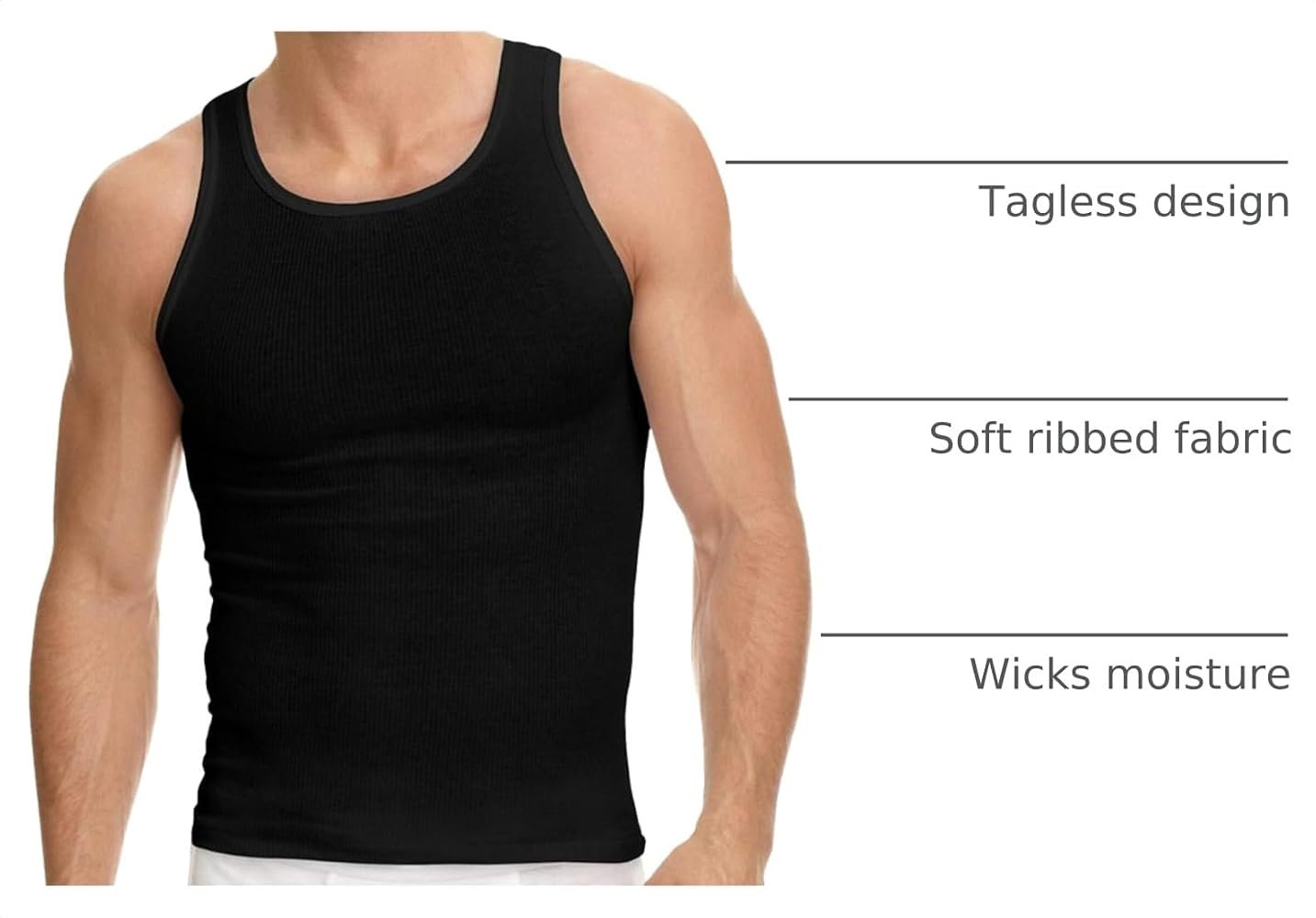
The garment commonly called a “wife beater” is usually a close-fitting, sleeveless shirt made from cotton or another lightweight fabric. It is traditionally worn as an undershirt, although it has also become part of casual fashion. Today, many people prefer terms such as tank top, ribbed tank, sleeveless undershirt, or A-shirt because they avoid connecting an everyday piece of clothing with domestic abuse.
This article explores the meaning of the term, its association with men’s clothing, its place in popular culture, and why the expression remains controversial.
What Does “Wife Beater” Mean?
The meaning of wife beater depends entirely on context.
In its most serious sense, the phrase is an insulting or informal description of a person who physically abuses their spouse. Domestic violence is a serious issue involving physical, emotional, sexual, financial, or other forms of abuse.
In fashion slang, however, “wife beater” has historically been used to describe a sleeveless undershirt. The garment is generally characterized by:
- A sleeveless design
- A close-fitting shape
- A rounded neckline
- Lightweight fabric
- A relatively simple appearance
- Common use as an undershirt
- Frequent production in white, black, gray, and other neutral colors
The clothing meaning is informal rather than the preferred professional name for the garment.
Why Is It Called a Wife Beater?
There is no single universally accepted explanation for how the clothing term became popular.
One commonly cited explanation connects the expression with stereotypes of violent or aggressive working-class men wearing sleeveless undershirts. Popular culture, newspapers, television, movies, and casual speech helped reinforce that association.
Another important part of the story is the way domestic violence has historically been represented in entertainment. Characters portrayed as rough, violent, or irresponsible men were sometimes shown wearing undershirts of this type. Repeated portrayals contributed to the stereotype.
However, the name should not be interpreted literally. Wearing a sleeveless shirt does not indicate anything about a person’s behavior, personality, or relationship with a partner.
The Clothing Behind the Term
The garment itself is much less controversial than the slang name.
A traditional sleeveless undershirt is designed primarily for comfort and practicality. It allows greater freedom of movement than a shirt with sleeves and can be worn underneath another garment without adding much bulk.
Common Features
A typical ribbed undershirt may have:
- Stretchable cotton fabric
- Ribbed construction
- Wide shoulder straps
- A sleeveless cut
- A relatively deep armhole
- A fitted torso
- A simple neckline
The design can vary significantly depending on the manufacturer and intended use.
Some versions are designed specifically as underwear, while others are sold as casual tank tops that can be worn as outerwear.
Why Do People Wear Sleeveless Undershirts?
There are several practical reasons.
First, they are lightweight. During warm weather, a sleeveless shirt can feel more comfortable than a long-sleeved garment.
Second, they can work well as a base layer. An undershirt can absorb perspiration and create a barrier between the body and an outer shirt.
Third, the design provides freedom of movement. This makes sleeveless tops popular for exercise, physical work, lounging, and everyday activities.
Finally, the simple appearance has become part of casual fashion.
“Wife Beater” vs. Tank Top
Although the terms are sometimes used interchangeably, they are not technically identical in every context.
A tank top is a broad category of sleeveless shirt. Tank tops can come in many different cuts, fabrics, colors, and styles.
An undershirt is generally designed to be worn underneath another garment.
An A-shirt is another term used for a particular style of sleeveless undershirt, especially in North American clothing terminology.
The phrase “wife beater” is informal slang rather than a precise clothing category.
| Term | General Meaning |
|---|---|
| Tank top | A broad category of sleeveless shirt |
| Sleeveless undershirt | A base layer worn underneath clothing |
| A-shirt | A sleeveless undershirt style |
| Ribbed tank | A tank made from ribbed fabric |
| Wife beater | Informal slang for a sleeveless undershirt |
For product descriptions, fashion writing, and everyday communication, tank top or sleeveless undershirt is usually clearer.
The Cultural Controversy Around the Term
The biggest issue with the phrase is that it links ordinary clothing with domestic abuse.
Domestic violence is not a fashion stereotype or a joke. It can have serious and lasting consequences for victims and families. Using an abuse-related expression to describe clothing can therefore be uncomfortable or offensive to some people.
This does not mean everyone who uses the slang term intends to make light of domestic violence. Language often develops through popular culture and repeated informal usage. Still, words can carry associations beyond the speaker’s intention.
Why Language Choices Matter
Modern fashion terminology provides several alternatives that describe the garment accurately without using an expression associated with abuse.
For example, someone can say:
- “white tank top”
- “ribbed tank”
- “men’s sleeveless undershirt”
- “cotton A-shirt”
- “white undershirt”
- “sleeveless tee”
These terms communicate exactly what the garment is without relying on the controversial nickname.
The Role of Movies and Television
Popular entertainment played an important role in spreading stereotypes associated with sleeveless undershirts.
In films and television programs, costume designers sometimes use clothing to communicate something about a fictional character. A particular outfit might be intended to suggest that a character is working-class, rebellious, physically tough, careless, or traditionally masculine.
The sleeveless undershirt became one of several visual shortcuts used for these character types.
Over time, repeated portrayals blurred the line between clothing and stereotype. Audiences began recognizing the garment as part of a familiar fictional image.
Importantly, this is a representation in popular culture rather than evidence that people who wear sleeveless undershirts behave violently.
Is a “Wife Beater” the Same as a Tank Top?
Not exactly.
In casual American slang, the terms can refer to similar garments. However, tank top is the broader and more neutral term.
A tank top can be loose, athletic, fashionable, cropped, oversized, colorful, or highly structured. A traditional sleeveless undershirt is usually simpler and more fitted.
Therefore, when shopping or writing a clothing description, it is better to identify the actual characteristics of the garment rather than relying on slang.
How to Style a Sleeveless Undershirt
A sleeveless undershirt can be styled in many ways, depending on the occasion.
Casual Everyday Look
Pair a basic tank with jeans or casual trousers and sneakers. This creates a simple warm-weather outfit.
Layered Outfit
A fitted sleeveless shirt can be worn underneath an open button-down shirt, denim jacket, or lightweight overshirt.
Athletic Clothing
Sleeveless tops are common in gym and sportswear because they provide freedom of movement. Moisture-wicking fabrics may be preferable for exercise.
Summer Style
A lightweight cotton tank can work well with shorts, relaxed trousers, and sandals for hot weather.
The key is to choose a garment appropriate for the setting. A shirt designed as underwear may look different from a fashion-oriented tank top intended to be worn on its own.
Materials Commonly Used
Sleeveless undershirts are available in several fabrics.
Cotton
Cotton is popular because it is soft, breathable, and comfortable for everyday wear.
Cotton Blends
Blended fabrics can provide additional stretch, durability, or moisture management.
Polyester
Polyester is frequently used in athletic clothing because it can be lightweight and designed to move moisture away from the skin.
Ribbed Fabric
Ribbed construction provides stretch and helps create the traditional fitted appearance associated with many classic undershirts.
Choosing the right material depends on whether the shirt is being used for layering, exercise, sleeping, or casual fashion.
Why “Tank Top” Is Often the Better Term
The term tank top is straightforward and widely understood.
If someone is writing a product listing, fashion article, clothing guide, or shopping description, using terms such as “men’s white tank top” or “ribbed sleeveless undershirt” makes the description more professional and precise.
It also avoids an unnecessary association between clothing and domestic abuse.
Language evolves over time, and older slang does not always remain the most appropriate terminology.
Frequently Asked Questions
1. What is a “wife beater” shirt?
“Wife beater” is an informal slang term historically used for a close-fitting sleeveless undershirt, often a white ribbed shirt. The more neutral terms are tank top, A-shirt, or sleeveless undershirt.
2. Why is a tank top called a wife beater?
The slang expression became associated with cultural stereotypes involving violent or aggressive male characters wearing sleeveless undershirts. Popular entertainment and casual language helped spread the association. The exact origin of the clothing nickname is not definitively established.
3. Is “wife beater” an offensive term?
Some people consider the term offensive or insensitive because it connects an everyday garment with domestic violence. Using terms such as “tank top” or “sleeveless undershirt” avoids that association.
4. Is a wife beater the same as an A-shirt?
In casual usage, the terms may refer to similar sleeveless undershirts. However, “A-shirt” is a more specific clothing term, while “wife beater” is slang and does not describe a precise technical clothing category.
5. Can sleeveless undershirts be worn as regular clothing?
Yes. Although many were originally designed as underwear or base layers, sleeveless shirts are also commonly worn as casual clothing, athletic wear, and warm-weather outfits.
Conclusion
The phrase “wife beater” has an unusual history because it describes two completely different concepts: a person who commits domestic violence and, in informal fashion slang, a sleeveless undershirt.
The garment itself is simple, practical, and widely used. Its association with the phrase comes largely from cultural stereotypes and popular representations rather than anything inherent in the clothing.
Today, tank top, sleeveless undershirt, ribbed tank, and A-shirt are clearer alternatives. They describe the garment without attaching it to domestic abuse.
Understanding the history and context of the phrase helps explain why it remains recognizable while also showing why more neutral terminology can be preferable in modern communication. Ultimately, the shirt is simply a type of sleeveless clothing; the controversial part is the nickname attached to it, not the garment itself.