
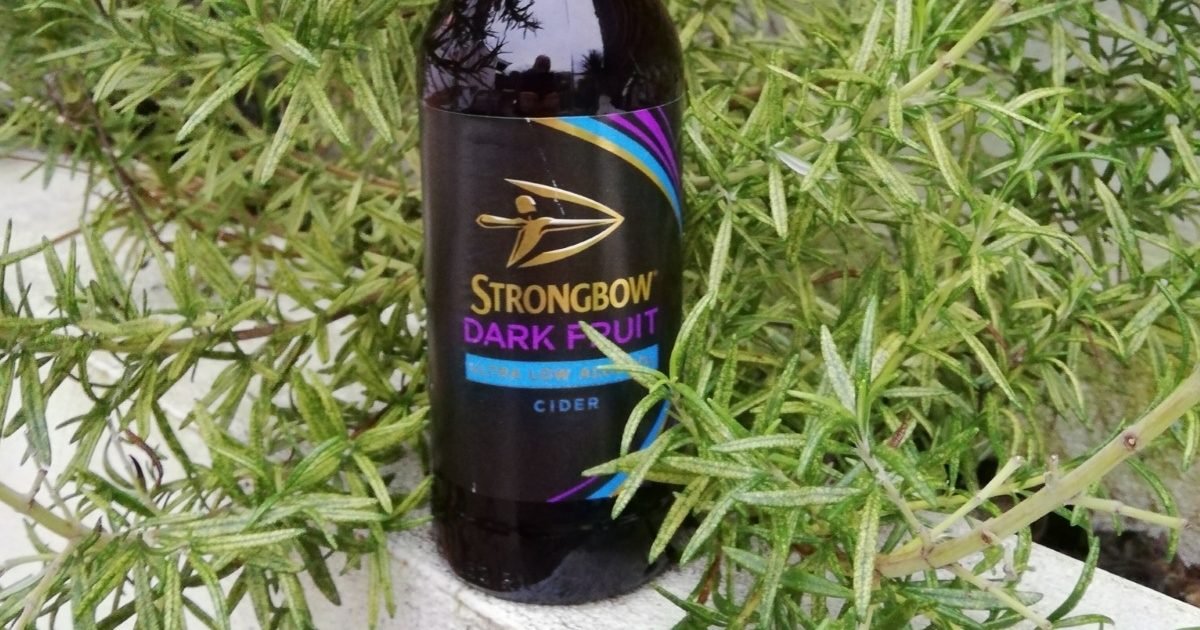
Dark fruits cider is where cider stops being “just crisp and apple-y” and turns into something layered, moody, and genuinely memorable. Think blackberry, blackcurrant, cherry, elderberry, plum, and blueberry folded into a clean apple base—bringing deeper color, richer aroma, and a structure that can feel closer to a light red wine than a typical hard cider.
If you’ve ever tasted a berry cider that felt thin, overly sweet, or oddly “jammy,” you already know the challenge: dark fruit is powerful, but it’s also tricky. It can dominate, destabilize balance, create haze, or ferment in unpredictable ways. The good news is that when you understand how dark fruits behave in cider—how they add acid, tannin, pigment, and fermentables—you can make a dark fruits cider that’s bold yet clean, complex yet drinkable.
In this guide, you’ll learn what dark fruits cider really is, which fruits work best, how to build flavor from beginner to advanced levels, how to avoid common mistakes, and how to get that vibrant color and smooth finish you’re probably chasing.
What Is Dark Fruits Cider?
Dark fruits cider is a hard cider (or sometimes a non-alcoholic cider) that blends apple juice with darker-skinned fruits—usually berries and stone fruits known for deep pigments and intense aromatics. The end result can range from lightly blushed and refreshing to nearly garnet-colored with a tannic backbone.
What separates a truly good dark fruits cider from a novelty fruit drink is balance. A well-made version still tastes like cider at its core, but with dark fruit woven through it—not dumped on top of it.
What “Dark Fruits” Usually Means in Cider
Dark fruits can be used fresh, frozen, juiced, pureed, or dried. Common choices include:
Blackberry (bramble fruit character, earthy, wine-like)
Blackcurrant (intense aroma, sharp acidity, “cassis” vibe)
Cherry (bright, nostalgic, can be almond-like if pits involved)
Blueberry (soft sweetness, subtle aroma, can be shy unless boosted)
Elderberry (inky color, tannin, rustic depth)
Plum (round, jammy, stone fruit warmth)
Aronia/chokeberry (high tannin and acidity, powerful structure)
Black raspberry (perfumed, intense, often very “craft”)
Each one brings a different mix of sugar, acid, tannin, and aroma—so your process should change depending on the fruit.
Why Dark Fruits Cider Has Become So Popular
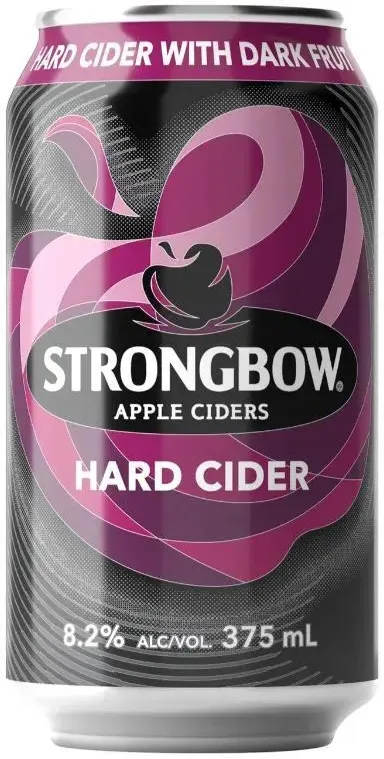
There’s a reason dark fruits cider keeps showing up in taprooms and cans. It scratches multiple itches at once:
It looks gorgeous: deep ruby, purple, or magenta hues sell themselves in the glass.
It’s aromatic: berry esters and fresh fruit aromatics hit before the first sip.
It offers a bridge for wine and cocktail drinkers: more body and structure than many “light” ciders.
It’s flexible: can be bone-dry, semi-sweet, sparkling, still, or barrel-aged.
But popularity also means a lot of rushed versions exist—over-sweetened, under-structured, or tasting like fermented fruit syrup. The rest of this article is about doing it the right way.
Understanding Flavor Structure: The Dark Fruit “Balance Triangle”
When you’re blending apples and dark fruits, you’re juggling three main levers:
Sweetness: residual sugar, back-sweetening, perceived fruitiness
Acidity: crispness, brightness, “snap”
Tannin: grip, dryness, body, wine-like structure
Dark fruits often raise acidity and tannin while adding strong aroma. Apples bring fermentable sugars, familiar cider character, and a softer fruit base. The best dark fruits cider feels intentional—like all three levers were dialed in, not left to chance.
Apples Still Matter More Than You Think
Even in a fruit-forward cider, the apple base sets the stage. A clean, fresh apple juice makes dark fruit seem brighter and more defined. A dull or overly sweet base can make the whole cider taste heavy.
If you’re buying juice, look for a profile that is:
Aromatic (not bland)
Moderately acidic (so it doesn’t taste flat)
Not overly “dessert-sweet” unless you plan to ferment dry and rebuild sweetness later
If you’re pressing your own, blending varieties helps. A mix of sharper apples with some tannic character can make dark fruits cider feel more complete and less candy-like.
Choosing Dark Fruits: What Each One Adds (and When to Use It)
Blackberry Cider
Blackberry is one of the most forgiving dark fruits. It brings:
Deep color
Earthy berry aroma
Gentle tannin
A wine-like finish
It works beautifully in dry or semi-sweet styles and pairs well with a touch of spice (think cinnamon stick aromatics without becoming “holiday”).
Blackcurrant Cider (Cassis-Style)
Blackcurrant is intense. A little goes a long way. Expect:
High acidity
Huge aroma
A sharp, punchy finish
This is great if you want a bright, “adult” fruit cider that doesn’t taste like juice. But it can easily overpower apple character—so it’s often best as a portion of the blend rather than the main fruit.
Cherry Cider
Cherry can go multiple directions:
Tart cherry gives brightness and a clean finish.
Sweet cherry gives roundness but can turn “cough-syrupy” if pushed too far.
Cherry also plays extremely well with vanilla notes (from oak) and with a dry finish. If you want a dark fruits cider that feels polished and crowd-pleasing, cherry is a smart option.
Blueberry Cider
Blueberry is delicious but subtle. It provides:
Soft sweetness and body
A gentle berry tone
Color that can fade more than expected
If you want blueberry to truly show up, you usually need either more fruit, a supportive blend (like blueberry + blackberry), or aroma preservation techniques (cooler fermentation, careful handling).
Elderberry Cider
Elderberry is for people who like depth. It can add:
Inky color
Rustic, tannic structure
A slightly wild berry character
It shines in drier ciders, especially with aging time. If your goal is a sophisticated, almost vinous dark fruits cider, elderberry is worth exploring.
Plum Cider
Plum brings:
Round fruit sweetness
Stone fruit warmth
A richer mouthfeel
Plum can drift “jammy” if there’s too much residual sugar, so it often works best when fermented fairly dry and then lightly back-sweetened to taste.
Methods: How to Add Dark Fruit to Cider (Beginner to Advanced)
There are three main windows for adding fruit, and each has a different impact.
1) Add Fruit Before Fermentation (Primary Fermentation)
This gives deep integration and can build complexity, but you’ll lose some fresh fruit aromatics because active fermentation scrubs volatile aromas.
Best for: bold, wine-like dark fruits cider; drier styles; maximum extraction of color and tannin
Watch out for: messy fermentation, higher pulp load, more sediment, pectin haze
2) Add Fruit After Primary (Secondary Fermentation)
This is a sweet spot for many cider makers. You get better aroma retention and more control.
Best for: fruit-forward aroma, balanced extraction, clearer flavor separation
Watch out for: renewed fermentation, oxygen exposure during transfer, and needing extra time to settle
3) Add Fruit at Packaging (Back-Sweetening and Flavoring)
This can make the fruit pop, but it’s the easiest way to end up with something that tastes like fruit added to cider rather than fruit fermented with cider.
Best for: semi-sweet and sweet styles, strong “fresh berry” impression
Watch out for: stability (refermentation in bottle/keg), inconsistent sweetness, and microbiological risk if not handled correctly
Practical Insights: Getting Color, Aroma, and Mouthfeel Right
Color: Why It Looks Amazing Early and Then Fades
Dark fruits get their color largely from anthocyanins—pigments that can shift and fade depending on:
pH (acidity level)
Oxidation exposure
Time and storage conditions
To keep color vibrant:
Keep oxygen exposure low during transfers
Don’t splash during racking
Store cool once packaged
Aim for a crisp, balanced acidity (color often holds better in lower pH environments)
Aroma: The Secret Is Gentle Fermentation
If you want that “fresh berry nose,” your fermentation choices matter:
Ferment cooler to preserve volatile aromatics
Choose yeast that emphasizes fruit esters rather than stripping them
Avoid letting fermentation run too hot, which can flatten delicate fruit character
Mouthfeel: Dark Fruits Need Structure, Not Just Sugar
A common disappointment with dark fruits cider is thinness: it smells like berries but drinks watery. This is where tannin and acid balance come in.
Use a portion of tannic apples, or add structured fruits like elderberry/aronia in small amounts.
Avoid relying on sweetness alone to create body—sweetness can read as sticky, not rich.
Example Flavor Profiles You Can Aim For
Example 1: Dry Blackberry Cider (Wine-Like and Clean)
Taste goal: dry, crisp, purple-fruited, lightly tannic
What it feels like: a refreshing cider with a red-wine edge
Best serving: chilled, in a wine glass, with food
Example 2: Semi-Sweet Cherry-Vanilla Cider (Crowd Pleaser)
Taste goal: cherry-forward aroma, gentle sweetness, smooth finish
What it feels like: dessert-friendly without being cloying
Best serving: cold, lightly sparkling
Example 3: Blackcurrant “Cassis” Cider (Bright and Sharp)
Taste goal: high aroma, zippy acidity, dry finish
What it feels like: intense, punchy, almost cocktail-like
Best serving: very cold, small pours, great as an aperitif
Example 4: Mixed Dark Berry Cider (Balanced and Juicy)
Taste goal: blackberry + blueberry + a hint of tart cherry
What it feels like: fruit-forward but still “real cider”
Best serving: sparkling, picnic-friendly
Step-by-Step: A Reliable Approach to Making Dark Fruits Cider at Home
This is a practical workflow you can adapt whether you’re doing a small batch or scaling up.
1) Decide Your Style First (Dry vs Semi-Sweet vs Sweet)
If you start without a target, you’ll chase the cider for weeks. Decide:
Do you want it bone-dry and structured?
Do you want a juicy semi-sweet finish?
Do you want a dessert-like sweet cider?
Your fruit amount, yeast choice, and stabilization plan all depend on this.
2) Choose Fruit Form: Fresh, Frozen, Puree, or Juice
Fresh fruit can be incredible but inconsistent and labor-intensive.
Frozen fruit is often the most practical: it breaks cell walls and boosts extraction.
Puree gives high extraction but can increase haze and sediment.
Juice is easy, but you lose some tannin and structure from skins.
3) Control Pectin Haze Early
Dark fruits can create stubborn haze due to pectin, especially with heat-treated purees. If clarity matters to you, treat proactively and allow enough time for settling. Many hazy dark fruit ciders still taste great, but if you want a brilliant pour, plan for it.
4) Manage Fermentation Like a Pro
Key levers:
Temperature control: cooler keeps fruit character fresher
Nutrients: fruit additions can change fermentation dynamics
Headspace: fruit can cause vigorous foaming; use enough room
5) Taste, Then Blend (Yes, Blend)
One of the most “pro” moves is blending:
Blend different fruits to build complexity.
Blend a darker, tannic portion with a brighter, lighter portion.
Blend dry and slightly sweeter components to hit your target without making it syrupy.
Blending turns a good dark fruits cider into a great one.
6) Stabilize If You Plan to Keep Sweetness
If you want a semi-sweet or sweet cider, you need a plan so it doesn’t keep fermenting. This is where many home batches go wrong—either bottles overcarbonate or sweetness disappears after a week.
If you’re not ready to stabilize, a safer path is to ferment dry and serve as-is, or sweeten by the glass.
7) Carbonation Choices Matter
Still: highlights tannin and depth, more wine-like
Light sparkle: keeps it refreshing without biting acidity
High carbonation: makes fruit feel “juicier” but can sharpen acidity and thin perceived body
For most dark fruits cider styles, a moderate sparkle hits the best balance.
Expert Tips That Make a Noticeable Difference
Tip 1: Build Complexity with Two Fruit Additions
A smart method is:
Primary addition for depth and fermentation integration
Secondary addition for aroma and “fresh fruit” lift
This avoids the one-dimensional “berry juice” effect.
Tip 2: Use Acid Intentionally, Not Randomly
Dark fruits often bring plenty of acid, but not always the right kind of brightness. Taste your cider and ask:
Is it bright and refreshing, or sharp and thin?
If it’s dull, you may need more lift.
If it’s harsh, you may need time, sweetness balance, or blending rather than more acid.
Tip 3: Don’t Overdo the Fruit
More fruit isn’t always better. Too much dark fruit can:
Erase apple character
Turn medicinal or jammy
Create heavy tannin bitterness
Make aroma feel cooked or cloying
A balanced dark fruits cider often tastes “more fruity” than a fruit-bomb, because the flavors are readable.
Tip 4: Give It Time (Especially Elderberry, Aronia, and Blackcurrant)
Some dark fruits taste aggressive when young. A few weeks to a few months of conditioning can transform:
Harsh edges soften
Aroma integrates
Tannins become smoother
The finish becomes cleaner
If your first taste is a little intense, don’t panic—time is part of the recipe.
Tip 5: Protect Against Oxygen
Oxygen is the silent killer of vibrant berry character. It can mute aroma and push flavors toward dull, brown, or “stewed fruit.” Gentle handling and minimizing headspace during aging preserves that fresh dark fruit signature.
Common Mistakes (and How to Avoid Them)
Mistake 1: Thinking Sweetness Equals Fruit Flavor
A cider can be sweet and still taste strangely empty. Fruit flavor comes from aroma compounds, acids, and phenolics—not just sugar. Aim for structure and aroma, then adjust sweetness last.
Mistake 2: Using Only One Fruit and Expecting Complexity
Single-fruit ciders can be excellent, but many dark fruits shine more when supported. Blackberry + blueberry, cherry + plum, or blackcurrant + blackberry often taste fuller than any one alone.
Mistake 3: Fermenting Too Warm
Warm fermentation can blow off the very aromatics you’re paying for with fruit. If your dark fruits cider smells muted, temperature is often the culprit.
Mistake 4: Over-Extracting Seeds and Skins
Some fruits can contribute harsh bitterness if crushed aggressively or left too long under the wrong conditions. If you taste a rough, bitter edge, reduce contact time next batch or press more gently.
Mistake 5: Not Planning for Stability
If you sweeten and package without a stability plan, you’re gambling. At best, sweetness disappears; at worst, you get dangerous overcarbonation. Decide early whether you’re going dry or managing sweetness properly.
Dark Fruits Cider Serving Ideas and Pairings
Dark fruits cider is incredibly food-friendly because it carries acidity like cider but has fruit depth like wine.
Great pairings include:
Sharp cheeses (aged cheddar, blue-style, washed rind)
Charcuterie and smoked meats
Grilled pork or duck
Dark chocolate desserts (especially cherry or blackberry ciders)
Spicy foods (a semi-sweet berry cider can cool heat beautifully)
Serving tips:
Chill well for brighter fruit and cleaner finish.
Use a wine glass for aromatic styles like blackcurrant or elderberry.
For sweeter versions, smaller pours keep it refreshing rather than heavy.
FAQs About Dark Fruits Cider
What’s the best dark fruit for cider beginners?
Blackberry is usually the most forgiving because it brings color and flavor without extreme acidity or tannin. Cherry is another beginner-friendly option, especially if you aim for semi-sweet.
Can I make dark fruits cider without apples?
You can ferment dark fruit alone, but it becomes fruit wine more than cider. Apples provide the classic cider backbone and help the finished drink feel crisp and refreshing rather than heavy.
Why is my dark fruits cider cloudy?
Dark fruits are rich in pectin and suspended solids, especially if you use puree or heat-processed fruit. Cloudiness can be harmless and common. If you want clearer cider next time, focus on fruit preparation, settling time, and gentle transfers.
How do I keep the berry aroma stronger?
Add some fruit after primary fermentation, ferment cooler, and minimize oxygen exposure during racking and packaging. Also avoid overly aggressive fermentation conditions that strip aromatics.
Should dark fruits cider be sweet or dry?
Both work. Dry versions taste more wine-like and food-friendly, especially with blackberry, elderberry, or blackcurrant. Semi-sweet versions are more approachable and highlight cherry, plum, and mixed berries beautifully.
Why does my berry cider taste “medicinal” or like cough syrup?
This often comes from too much fruit concentration, an overly sweet finish, or certain cherry/berry profiles pushed too far. Fermenting drier, blending with a clean apple cider, or reducing the fruit load can fix it.
How strong is dark fruits cider usually?
It depends on starting sugar and how far you ferment. Most fall in the typical hard cider range, but fruit additions can raise fermentable sugar and nudge alcohol higher. The key is balance—higher strength can taste hot if acidity and tannin aren’t aligned.
Conclusion: How to Make Dark Fruits Cider Taste Bold, Not Messy
Dark fruits cider is one of the most rewarding cider styles because it gives you instant sensory payoff—color, aroma, and flavor depth—while still leaving room for craft and precision. The difference between “pretty good” and “wow, what is this?” usually comes down to a few expert habits: choosing the right fruit for your target style, controlling fermentation to protect aroma, building structure with acid and tannin (not just sweetness), and treating oxygen like the enemy of freshness.
If you’re new to it, start with blackberry or cherry, keep your process simple, and focus on balance. If you’re ready to go deeper, experiment with layered fruit additions, blending, and longer conditioning—especially with intense fruits like blackcurrant and elderberry. Either way, when you build a dark fruits cider thoughtfully, you end up with something that doesn’t just taste fruity—it tastes intentional, refined, and genuinely hard to forget.