
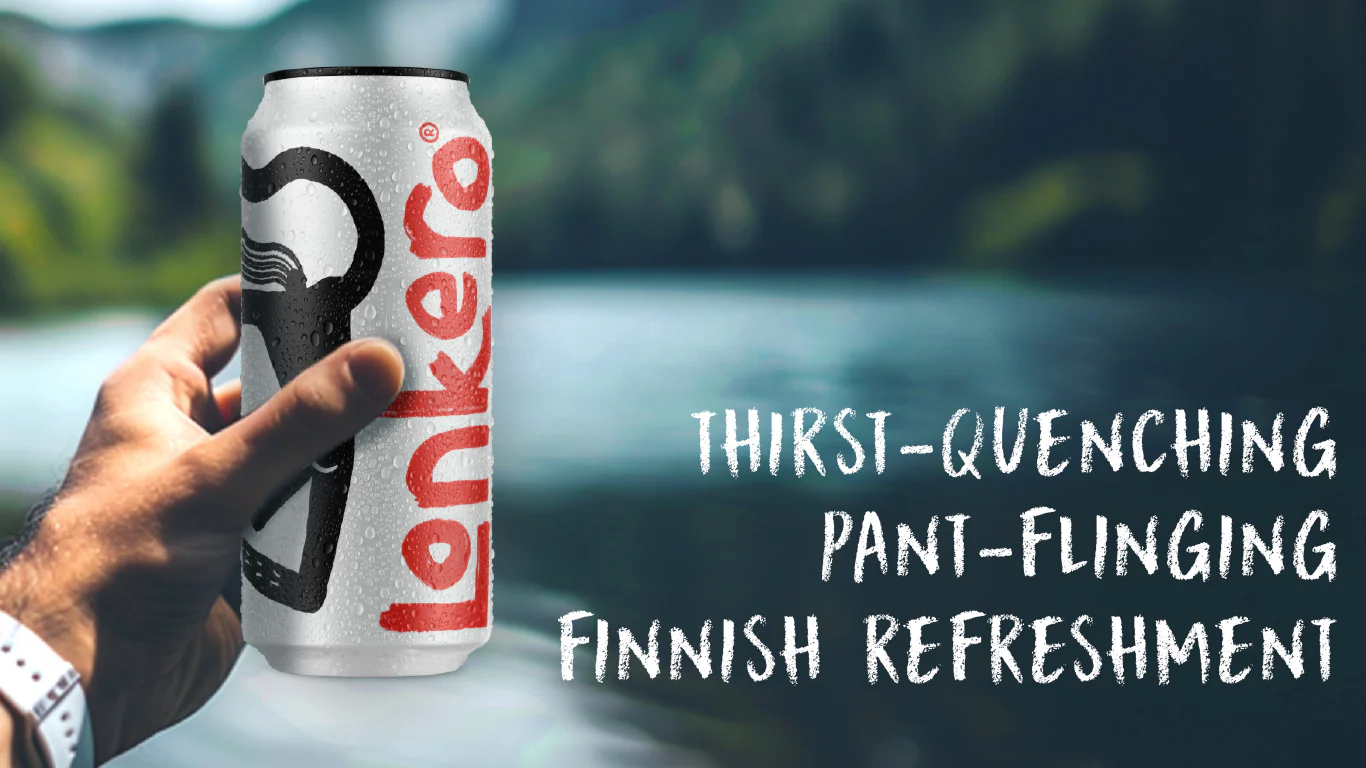
If you’ve ever spotted a tall can labeled “Lonkero” and wondered what the fuss is about, you’re in for a treat. Lonkero (also called the Finnish long drink) is one of those rare beverages that feels both effortless and deeply tied to a place. It’s crisp, refreshing, and deceptively simple—yet there’s a surprising amount to learn once you go beyond the first sip.
In this guide, you’ll learn exactly what lonkero is, how it became a Finnish classic, what it tastes like, the most popular styles and flavors, how to choose a great one, and how to serve it like someone who actually knows what they’re doing. Whether you’re a total beginner or already a fan looking to level up your long drink knowledge, this is the full, practical, real-world breakdown.
What Is Lonkero?
Lonkero is a ready-to-drink “long drink” that traditionally combines gin with a citrus soda—most famously grapefruit. Think of it as a pre-mixed highball: spirit + sparkling mixer, designed to be refreshing, convenient, and consistent.
In Finland, “lonkero” is everyday language. People order it casually at bars, grab it for summer cabins, and bring it to sauna nights. While the original template is gin and grapefruit soda, modern lonkero now includes a wide range of flavors and even different base alcohols (like vodka-based or fermented options), depending on the producer and market.
Why Lonkero Tastes So Easy to Drink
The magic of lonkero is balance. You typically get:
A clean alcoholic backbone (often gin)
Bitterness and tang from citrus (especially grapefruit)
A gentle sweetness to round it out
Carbonation that keeps it crisp and light
That combination hits a sweet spot: refreshing enough for warm weather, flavorful enough to feel like more than a bland seltzer, and simple enough to drink straight from the can without fuss.
The History of Lonkero (And Why Finland Claimed It)
Lonkero’s origin story is strongly connected to Finland’s mid-century event culture and the need for fast, consistent drinks for large crowds. The concept: create a reliable, refreshing mixed drink that can be served quickly without bartenders making every highball individually.
Over time, lonkero became more than a practical solution—it became a national favorite. It’s now a recognizable part of Finnish drinking culture, much like certain aperitifs are tied to specific European regions.
How Lonkero Became a Cultural Staple
Lonkero fits Finland’s lifestyle in a very real way:
It’s convenient for outdoor settings (lakeside, cottage weekends, festivals).
It pairs naturally with sauna culture (cold drink after heat).
It suits a preference for clean, straightforward flavors rather than overly sugary cocktails.
Even people who don’t normally like strong spirits often enjoy lonkero because the bitterness and citrus keep it refreshing rather than heavy.
What Does Lonkero Taste Like?
The classic grapefruit lonkero tastes bright, crisp, and slightly bitter, with a smooth alcoholic warmth underneath. The grapefruit note is usually more “zesty and aromatic” than “juice-like.” If you’ve had grapefruit soda or a grapefruit tonic, you’ll recognize the profile—except lonkero tends to be more rounded and drinkable, with the spirit integrated rather than harsh.
Flavor Profile Breakdown
Grapefruit: tart, lightly bitter, refreshing
Gin: herbal, juniper-forward or neutral depending on brand
Sweetness: moderate, meant to soften bitterness
Finish: clean, sparkling, slightly dry
Different producers lean different ways. Some make it sharper and more bitter (great with food), while others make it softer and sweeter (more approachable for new drinkers).
Types of Lonkero: Traditional and Modern Styles
The lonkero world has expanded. If you only think “gin + grapefruit,” you’re missing most of the shelf. Here are the main categories you’ll run into.
Classic Gin & Grapefruit Lonkero
This is the reference point—the version that made lonkero famous. If you’re trying lonkero for the first time, start here. It tells you what the drink is supposed to feel like: brisk, citrusy, and not too complicated.
Other Citrus Lonkeros (Lemon, Lime, Orange)
Citrus variations typically shift the drink’s personality:
Lemon: sharper, cleaner, sometimes more acidic
Lime: punchy, slightly more aromatic
Orange: softer, sweeter, often less bitter
If grapefruit feels too bitter for you, orange or lemon versions can be a friendlier entry point.
Berry Lonkeros (Cranberry, Pineapple, Mixed Berry)
Berry lonkeros tend to be more fragrant and slightly sweeter, with less bitterness than grapefruit. Cranberry is especially popular because it keeps some tartness and avoids becoming candy-like.
Sugar-Free or “Light” Lonkero
Sugar-free lonkero is a big deal for people who want the flavor without the sweetness. The best ones still maintain bitterness and citrus structure, so they don’t taste thin. The weakest ones can feel hollow or overly reliant on sweetener aftertaste.
“Premium” or Craft-Style Lonkero
Some brands aim for a more refined profile:
More pronounced gin botanicals
Less sweetness
Higher-quality citrus character
A cleaner, drier finish
If you’re someone who normally enjoys classic cocktails (like a Gin & Tonic or a Paloma), a drier, craft-leaning lonkero can be a great fit.
Different Alcohol Bases (Gin, Vodka, Fermented)
Not every “long drink” is gin-based anymore. You may see:
Gin-based long drinks (traditional)
Vodka-based long drinks (cleaner, more neutral)
Fermented long drinks (closer to a hard soda or alcopop style)
If you love the botanical snap of gin, stick to gin-based lonkero. If you want the flavor to be purely fruit-forward and ultra-smooth, vodka-based versions may appeal more.
Alcohol Content: How Strong Is Lonkero?
Most lonkero sits in a sessionable range—stronger than beer, often comparable to a sturdy cocktail served long. Exact strength depends on the product and market, but you can generally expect something in the mid-range of ready-to-drink beverages.
The key thing to remember: lonkero drinks easily. The carbonation and citrus can hide the alcohol. If you’re used to sipping beer slowly, lonkero can sneak up on you if you drink it at the same pace.
How to Choose a Good Lonkero (Without Overthinking It)
You don’t need to be a spirits expert to pick a great lonkero. You just need to know what experience you’re after.
If You Like Crisp, Bitter, and Refreshing
Choose: classic grapefruit, sugar-free grapefruit, or a drier “premium” style
Why: bitterness keeps it adult and food-friendly
If You Prefer Softer, Fruitier Drinks
Choose: orange, pineapple, berry blends
Why: less bitterness, smoother sweetness
If You Want “Cocktail Energy” Without Mixing
Choose: gin-forward lonkero with sharper citrus
Why: it tastes closer to a mixed drink than a flavored soda
If You’re Watching Sugar
Choose: sugar-free versions, but prioritize ones that still taste structured
Tip: chilled temperature improves sugar-free versions dramatically because cold reduces sweetener aftertaste.
How to Serve Lonkero Like a Pro
Lonkero is designed to be easy, but small details make a big difference. The best lonkero experiences are ice-cold, properly poured (when appropriate), and paired with the right moment.
Best Temperature for Lonkero
Serve lonkero very cold. Not “cool,” not “cellar temperature”—properly cold. Cold enhances carbonation, tightens sweetness, and makes citrus pop.
Can vs. Glass: What’s Better?
Drinking from the can is totally acceptable and common, especially outdoors or at a sauna night. But a glass can elevate the experience.
If you want maximum aroma and a cleaner taste:
Pour into a tall glass over fresh ice.
Add a grapefruit wedge or lemon peel (optional but effective).
A glass also helps if you want to slow down and actually taste the gin and citrus balance.
Ice Matters More Than People Think
Watery ice ruins lonkero faster than you’d expect. Use:
Fresh, solid cubes (not freezer-burned)
Enough ice to keep it cold (a few cubes melt quickly; fill the glass)
Counterintuitively, more ice can mean less dilution because the drink stays colder and melts slower.
Garnishes That Actually Work
Garnish should support the flavor, not fight it:
Grapefruit lonkero: grapefruit wedge, thin peel, or a sprig of rosemary if you like herbal notes
Lemon lonkero: lemon peel (avoid too much pith)
Berry lonkero: a few frozen berries can act as “ice” and add aroma
Skip heavy garnishes that turn it into a messy cocktail project. Lonkero shines because it’s clean and simple.
Food Pairings: What Goes Well With Lonkero?
Lonkero is surprisingly food-friendly, especially the grapefruit style. The bitterness and carbonation cut through fat and salt, while the citrus lifts smoky and grilled flavors.
Best Pairings for Grapefruit Lonkero
Grilled sausages or hot dogs (the classic casual pairing)
Smoked fish and salty snacks
Fried foods (carbonation + bitterness = balance)
Cheese boards (especially creamy or salty cheeses)
Pairings for Berry and Tropical Lonkeros
Spicy foods (sweetness can tame heat)
Light desserts (berries + cream flavors)
Picnic foods like sandwiches and salads
Sauna Night Pairing Tip
After sauna, people often crave salt. Lonkero + salty snacks works because the drink is cold, crisp, and rehydrating in feel (even though it’s alcoholic). If you want to be smart about it, drink water alongside it.
Practical Insights: When Lonkero Is the Perfect Choice
Lonkero isn’t just “another canned drink.” It fills specific moments beautifully.
1) Hosting Without Becoming a Bartender
If you’re having friends over and don’t want to stock mixers, citrus, spirits, and garnish options, lonkero is the simplest path to a cocktail-like experience. Chill a variety pack, provide ice and a few citrus wedges, and you’re done.
2) Outdoor Days and Cabin Weekends
Lonkero is made for portability. It’s easy to pack, easy to serve, and tastes great cold after swimming, hiking, or grilling.
3) A Gateway Drink for Cocktail Beginners
Some people want to like gin drinks but find a standard Gin & Tonic too botanical or too sharp. Lonkero can be a gentle entry point because the citrus and sweetness soften the edges while still keeping that grown-up bite.
Examples: How Different People Enjoy Lonkero
Example 1: The “Classic” Summer Setup
You’re grilling with friends. You want something refreshing but not too sweet. You choose classic grapefruit lonkero, serve it ice-cold, and pour into a tall glass with a grapefruit wedge. The bitterness keeps it from feeling like soda, and it pairs perfectly with grilled food.
Example 2: The “Easy Party” Variety Approach
You’re hosting a mixed crowd. Some love bitter drinks, some don’t. You buy three styles: grapefruit, cranberry, and a sugar-free option. You label a cooler with ice. Everyone self-selects and you don’t spend the night mixing drinks.
Example 3: The “Cocktail Fan” Upgrade
You like real gin cocktails and want something drier. You pick a premium-style grapefruit lonkero, pour it over a large ice spear, add a strip of grapefruit peel, and sip it like a highball. It scratches the cocktail itch without any measuring.
Expert Tips to Get the Best Lonkero Experience
Tip 1: Read the Flavor Like You Would a Cocktail Menu
If you see grapefruit, think “bitter, refreshing.” If you see berry, think “softer, rounder.” If you see sugar-free, expect a drier finish. This mindset helps you pick correctly without getting lost in branding.
Tip 2: Chill Longer Than You Think
A lonkero that’s merely cool can taste flatter and sweeter. Give it real fridge time. If you’re in a rush, a short stint in an ice bath (ice + water + a handful of salt) chills cans quickly.
Tip 3: Use the Right Glass When You Want to Taste More
A tall highball glass emphasizes carbonation and aroma. If you pour carefully, you’ll notice more grapefruit oils and more gin botanicals than you ever get sipping from the can.
Tip 4: Treat Grapefruit Lonkero Like a Food Drink
Grapefruit lonkero is at its best with something salty or savory nearby. Even simple chips can make it taste more balanced.
Tip 5: Don’t Over-garnish It
Lonkero isn’t trying to be a complicated craft cocktail. One citrus wedge or peel is plenty. Too many add-ons distract from what makes it good: clean, crisp refreshment.
Common Mistakes People Make With Lonkero
Mistake 1: Drinking It Warm
Warm lonkero emphasizes sweetness and alcohol and flattens the citrus. Cold is non-negotiable if you want the drink to shine.
Mistake 2: Using Bad Ice (or Too Little Ice)
A couple of small cubes melt fast and water the drink down. Either drink it straight from a cold can or fill the glass with solid ice.
Mistake 3: Assuming All Long Drinks Taste the Same
There’s real variety between brands, base alcohols, sweetness levels, and flavors. If you tried one and didn’t like it, that doesn’t mean you dislike lonkero. You may simply dislike that specific style.
Mistake 4: Expecting It to Taste Like Fresh Grapefruit Juice
Grapefruit lonkero is usually built more like a grapefruit soda or citrus tonic than a juice drink. If you expect juice, you might misread the bitterness as “wrong,” when it’s actually the point.
Mistake 5: Forgetting How Easy It Is to Drink
Because it’s crisp and carbonated, lonkero can go down fast. Pace yourself, especially if you’re used to slower-sipping drinks.
Lonkero FAQs
What does “lonkero” mean?
“Lonkero” is the Finnish nickname for a long drink. In everyday use, it typically refers to the Finnish-style ready-to-drink long drink, most famously gin and grapefruit.
Is lonkero the same as a hard seltzer?
Not exactly. Hard seltzers are typically lighter, more neutral, and often less bitter. Lonkero usually has a more defined citrus profile and, in gin-based versions, a noticeable botanical character.
Does lonkero contain real gin?
Many lonkero products are gin-based, meaning gin is part of the alcoholic base. Others may use different bases depending on the style and producer. If gin matters to you, check the labeling and choose a clearly gin-based long drink.
Is grapefruit lonkero very bitter?
It depends on the brand and recipe, but classic grapefruit lonkero usually has a pleasant bitterness—more refreshing than harsh. If you dislike bitterness, try orange, pineapple, or berry flavors first.
What’s the best way to serve lonkero?
The best method is ice-cold, either straight from the can or poured into a highball glass full of fresh ice. A simple citrus wedge can enhance aroma, but it’s optional.
Can you mix lonkero with other ingredients?
You can, but it’s usually unnecessary. If you want to experiment, keep it subtle: a squeeze of fresh citrus, a splash of soda water to make it lighter, or a small measure of gin to make it stronger. Avoid heavy syrups that overwhelm its clean profile.
Is lonkero only popular in Finland?
Finland is lonkero’s cultural home, but it has gained popularity in other places thanks to the rise of ready-to-drink cocktails and interest in Nordic food and drink culture. Still, it’s most strongly associated with Finnish summer traditions.
How do I know which lonkero flavor to start with?
Start with classic grapefruit if you want the authentic experience. If you’re unsure about bitterness, start with cranberry or orange for a smoother first impression.
Conclusion: Why Lonkero Deserves a Spot in Your Fridge
Lonkero has earned its reputation the honest way: it tastes good, it’s reliably refreshing, and it fits real life. It’s the kind of drink you can bring to a barbecue, a beach day, a sauna night, or a casual dinner and know it will work without demanding attention.
If you want the most authentic starting point, grab a classic grapefruit lonkero and drink it properly cold. From there, explore the broader world—cranberry for tart fruitiness, lemon for sharp brightness, sugar-free for a drier finish, or premium styles for more gin character. Once you understand the balance of citrus, bitterness, sweetness, and carbonation, you’ll see why lonkero isn’t just a trend. It’s a modern classic that happens to come in a can.