
Introduction
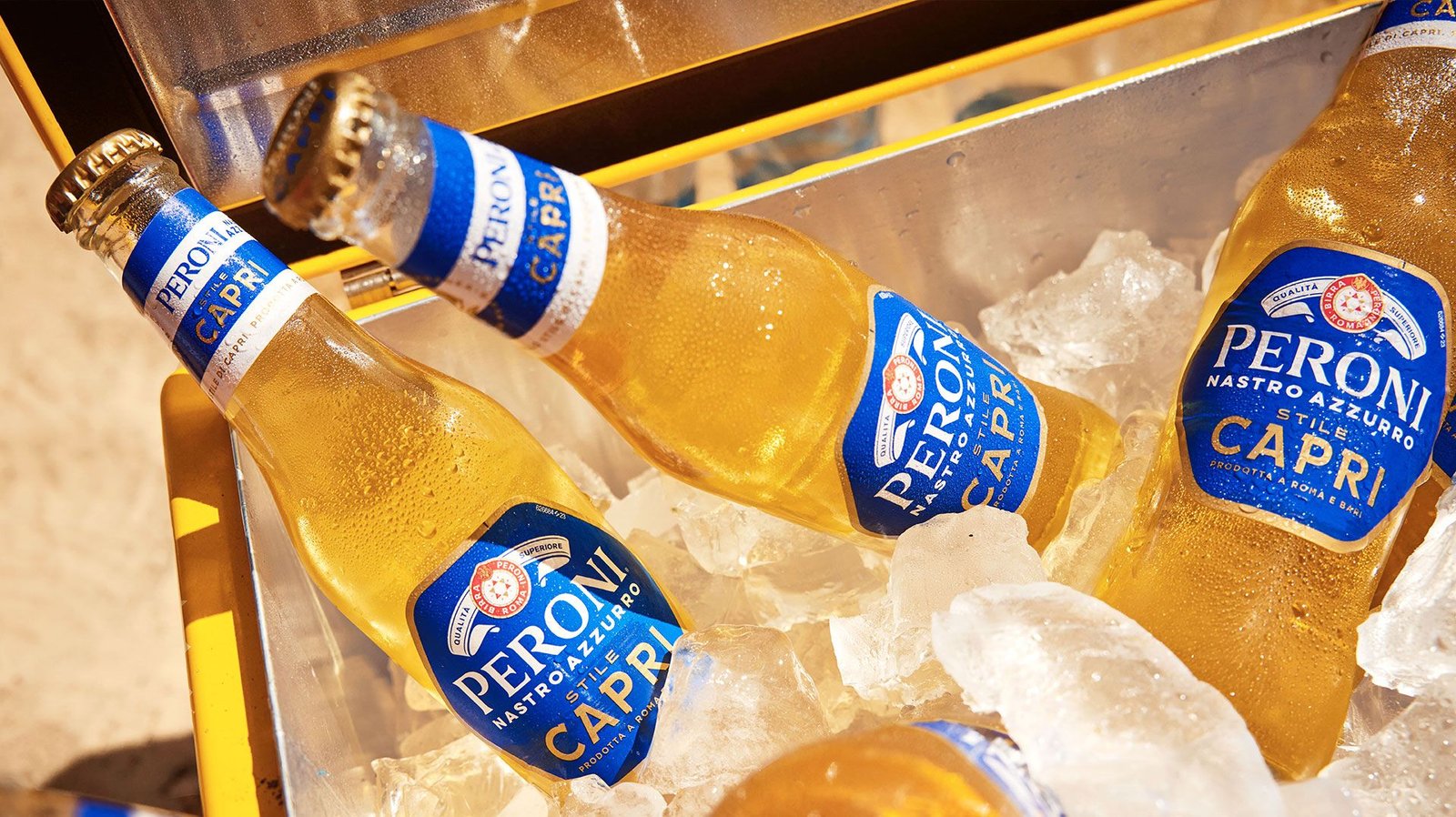
There’s a reason the Peroni bottle is instantly recognizable even from across a crowded table. It signals crisp Italian lager, effortless style, and that specific “just opened” refreshment that fits everything from a casual pizza night to a summer party. But beyond the brand recognition, the Peroni bottle is a surprisingly interesting object: its shape is designed for practicality, its labeling has evolved to hold shelf presence, and its different formats change how the beer pours, tastes, and even how long it stays fresh.
In this guide, you’ll learn what makes a Peroni bottle distinctive, how to choose the right size for your occasion, how to store and serve it for maximum flavor, and what experienced beer drinkers notice (and avoid) when handling bottled lager. Whether you’re a curious beginner or someone who’s bought Peroni for years, you’ll come away with practical, real-world tips you can use immediately.
What People Mean When They Say “Peroni Bottle”
When most people say “Peroni bottle,” they typically mean the glass bottle used for Peroni Nastro Azzurro (the best-known international Peroni) or Peroni’s classic lager range depending on the market. The bottle is more than packaging—it’s part of the experience: the chill in your hand, the sound of the cap lifting, the look of the pale golden lager through glass, and the way it pours into a glass with a quick, tight foam head.
A Peroni bottle also shows up in different contexts:
The everyday “grab a few” option from the shop, usually in a standard small bottle format.
The larger share-style bottle for dinners and gatherings.
The collectible or decorative bottle people keep for home bars, themed parties, or Italian-inspired displays.
The returnable or recyclable bottle that brings sustainability and deposit systems into the conversation.
Understanding which bottle you have—and how to treat it—makes a measurable difference in freshness, carbonation, and overall drinking enjoyment.
The Iconic Peroni Bottle Design: Why It Looks the Way It Does
Peroni’s bottled presentation is designed to communicate premium simplicity. Even if you don’t analyze it consciously, several design choices work together to create a “clean and crisp” impression that matches the beer style.
Bottle Shape and Ergonomics
Most Peroni bottles use a longneck profile, which isn’t just tradition—it’s functional. The elongated neck provides a comfortable grip, keeps your hand slightly away from the main body (helpful for temperature control), and makes pouring easier and more controlled. That controlled pour matters with a highly carbonated lager because it helps you avoid excessive foam loss.
The shoulder and body proportions also matter. A bottle with balanced weight distribution is less likely to tip when placed on uneven surfaces, and it feels sturdier in the hand—important in hospitality settings where bottles are moved quickly.
Glass Color and Light Protection
Many Peroni bottles are green glass. Green glass is visually premium and strongly associated with European lagers, but it offers less light protection than brown glass. That’s not a deal-breaker—it just means how you store it becomes more important. Light exposure can trigger “skunky” off-notes in beer over time, especially if it’s sitting in sunlight or under strong indoor lighting for long periods.
The practical takeaway is simple: Peroni in green glass looks great, but it rewards good storage habits.
Labeling, Branding, and Shelf Presence
The Peroni label is typically clean, high-contrast, and easy to spot. On a busy shelf, that clarity matters. You’ll often see a prominent brand name, crisp typography, and minimal clutter—reinforcing the idea of a refined, straightforward lager. The neck label also plays a role: it draws the eye upward, makes the bottle appear taller, and communicates “premium” in the same way champagne-style neck foils do for sparkling drinks.
Cap Style and Seal
Most Peroni bottles use a standard crown cap. It’s reliable, familiar, and excellent at holding carbonation when stored properly. A tight crown seal is one reason bottled lagers can stay lively and crisp right up to opening—provided the bottle hasn’t been heat-stressed or mishandled.
Peroni Bottle Sizes: Choosing the Right Format for the Moment
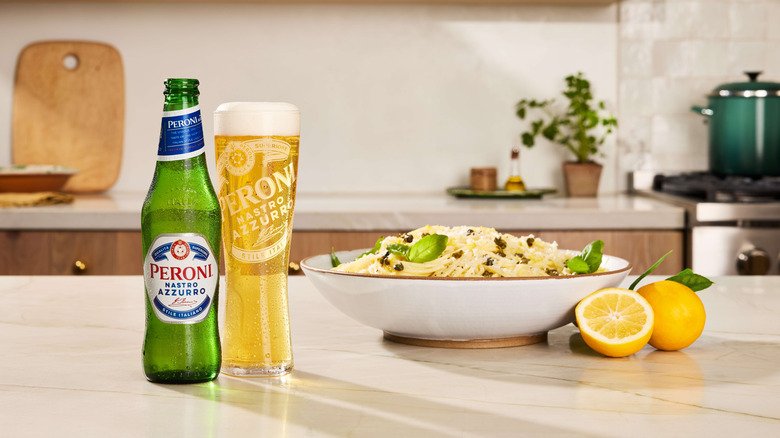
Peroni bottle sizes vary by region, but there are common formats you’ll see often. The size you choose affects more than convenience—it can subtly influence perceived freshness and how you serve it.
Small Bottles (Often Around 330ml)
This is the classic single-serve format. It’s ideal when:
You want maximum freshness per serving.
You’re serving multiple guests who may prefer different pacing.
You want a colder drinking experience (smaller volume warms up slower per sip because it’s finished faster).
Small bottles also reduce the chance of leftover beer sitting in an opened container and going flat.
Larger Bottles (Often Around 660ml)
The larger Peroni bottle is popular for sharing or for a longer, more relaxed meal. It works best when:
You’re pouring into glasses for two people.
You want a more “table beer” experience with food.
You’re hosting and prefer fewer bottles to manage.
The trade-off is temperature management: a bigger bottle can warm up if it sits on the table too long, especially outdoors. The solution is easy—use a bucket, sleeve, or ice bowl and pour in smaller increments.
Multipacks and Party Planning
If you’re buying Peroni bottles for an event, size selection becomes strategy:
For mingling parties, small bottles are often the cleanest option—less pouring, less foam mess, less waste.
For sit-down meals, a few larger bottles can feel more communal and restaurant-like, especially if you’re serving proper glassware.
How the Peroni Bottle Affects Taste (Yes, It Really Can)
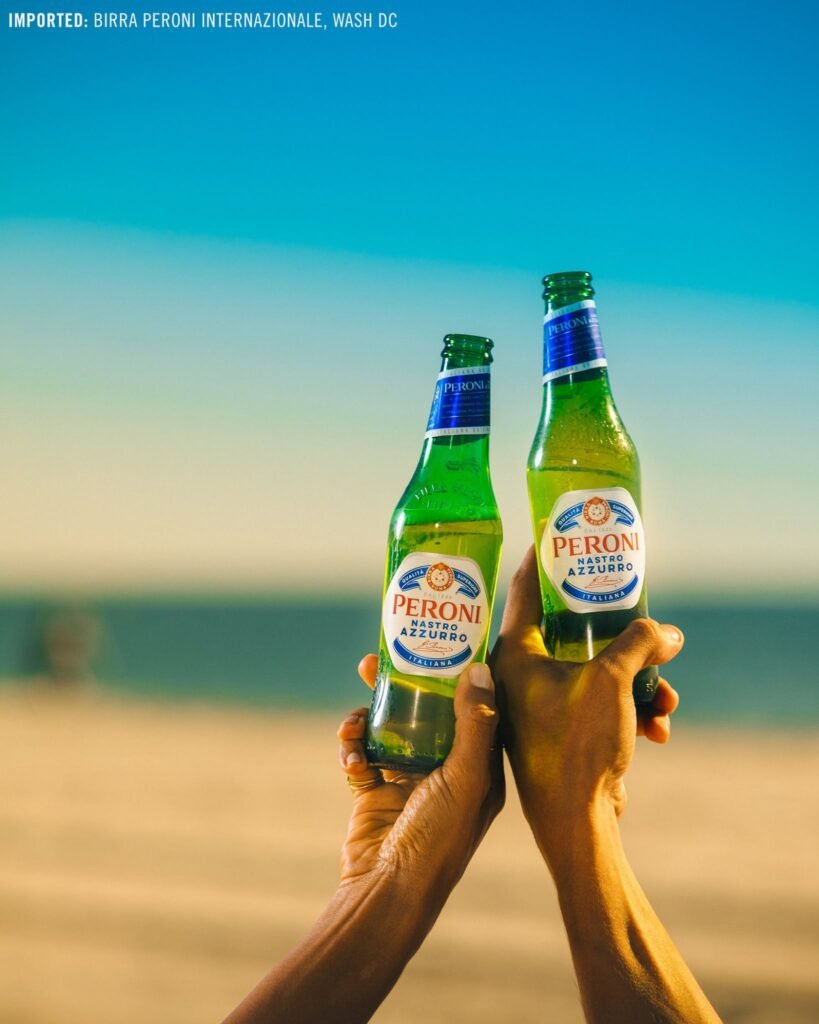
People often assume the bottle is just a container, but packaging affects beer in three major ways: light exposure, oxygen exposure, and temperature stability.
Light Exposure and Flavor Stability
Because many Peroni bottles are green, it’s worth repeating: keep them away from sunlight and strong indoor lighting. If a bottle sits in direct light for long periods, you can get that unmistakable “lightstruck” aroma. Once it’s there, you can’t fix it—so prevention is everything.
Temperature Swings and “Cooked” Notes
Heat is the quiet killer of bottled lager. Even a great beer can taste dull, overly sweet, or oddly harsh if it’s been stored warm for too long or repeatedly warmed and chilled. For Peroni, which is meant to be clean and snappy, heat damage is especially noticeable because there’s nowhere for flaws to hide.
Carbonation, Pour, and Mouthfeel
A Peroni bottle typically pours with a bright sparkle and a quick-forming head. That carbonation is part of the refreshing character. If you pour too aggressively, you can lose carbonation and end up with a flatter mouthfeel. If you pour too gently, you might not release enough aroma or build a proper foam cap.
The sweet spot is a controlled, angled pour that preserves liveliness while giving you a neat head.
How to Store a Peroni Bottle Properly (So It Tastes Like It Should)
If you want Peroni to taste like it does at a good bar—crisp, clean, and balanced—storage matters.
Keep It Cold, Dark, and Stable
Aim for a consistently cool environment. A fridge is ideal. If you’re storing bottles for more than a day or two, prioritize darkness as well. A closed fridge is perfect because it blocks light and keeps temperatures steady.
Upright vs. Side Storage
Unlike corked products, beer bottles are typically best stored upright. Keeping the bottle vertical reduces the surface area of beer in contact with the cap liner and helps minimize the risk of picking up any “cap” flavors over time. It also helps sediment (if any) settle at the bottom—though Peroni is generally a clear, filtered lager.
Avoid “Quick Chill” Shortcuts That Stress the Bottle
If you need to chill Peroni fast, an ice-and-water bath works well. What you want to avoid is leaving glass bottles in the freezer and forgetting them. That’s how bottles crack or even burst, and even before that happens, extreme cold can temporarily mute flavor and make pouring unpredictable.
Serving a Peroni Bottle the Right Way
Serving is where a good bottle turns into a great drink. Small changes in temperature and glassware can noticeably improve the experience.
Best Serving Temperature
Peroni is at its best when served cold but not numbingly frozen. Too cold and you flatten the aroma and taste. Not cold enough and the beer can feel less crisp, with sweetness becoming more noticeable.
A practical approach: chill it thoroughly, then let it sit for a short moment after opening if it’s extremely cold. You’re aiming for bright refreshment without stripping away flavor.
Should You Drink It from the Bottle or Pour It?
Drinking straight from the Peroni bottle is classic and convenient, especially outdoors or at parties. But pouring into a glass gives you:
Better aroma (you smell more, so you taste more).
A controlled foam head that improves texture.
A cleaner “crisp” perception because the carbonation distributes properly.
If you’re evaluating the beer or pairing it with food, pour it. If you’re keeping things casual, the bottle is perfectly fine—just make sure it’s cold and kept out of direct sunlight.
The Right Glass for Peroni
A simple lager glass, pilsner glass, or even a clean wine glass works well. What matters most is cleanliness. Any greasy residue kills foam and makes the beer feel flat. Rinse your glass with cold water right before pouring to remove dust and help the beer flow smoothly.
Practical Insights: Using Peroni Bottles for Hosting, Food, and Lifestyle
The Peroni bottle shows up in real life in ways that go beyond “open and drink.” Here’s how to use it well in common situations.
Pairing Peroni with Food (What Actually Works)
Peroni’s crisp lager profile is food-friendly because it’s refreshing, lightly bitter, and not heavy.
Pizza and focaccia: the carbonation cuts through oil and cheese.
Seafood and grilled fish: the clean finish complements delicate flavors.
Pasta with tomato or light cream sauces: the beer refreshes without overpowering.
Salty snacks: olives, nuts, and crisps work beautifully.
If you’re serving spicy food, keep the beer colder and consider pouring into a glass to maintain carbonation and lift.
Hosting Tips: Bottle Counts and Formats
For a casual gathering, small bottles reduce waste and keep everyone’s beer cold. For a sit-down meal, larger bottles feel more “European table” and encourage sharing. If you want a simple rule: choose smaller bottles for movement (people walking around) and larger bottles for seated dining.
Outdoor Drinking: Temperature Management That Works
If you’re outdoors, the best upgrade you can make is a simple ice bucket with water mixed in. Ice alone chills slowly because it doesn’t fully contact the bottle. Water fills the gaps and cools faster. Keep bottles shaded and rotate them in and out rather than leaving them all in the sun “for later.”
Examples: Real-World Scenarios and How to Handle Them
Example 1: You Bought Peroni Bottles for a Dinner Party
You’ve got a mix of guests, a table meal, and you want it to feel special without being complicated. Chill the bottles upright, set out clean glasses, and open bottles only as needed. If you’re using larger bottles, pour small rounds so the beer in the bottle stays cold and carbonated.
Example 2: A Peroni Bottle Tastes “Off” Even Before the First Sip
If you notice a skunky or sulfur-like aroma immediately after opening, consider storage conditions. Was it sitting in a bright window? Was it stored warm? Beer flaws are often handling flaws. For future purchases, choose bottles stored in shaded areas and chill them consistently at home.
Example 3: You Want the “Bar Pour” at Home
Use a clean, cold glass. Tilt the glass and pour steadily down the side, then straighten the glass near the end to build a modest head. Don’t “slam pour” unless you enjoy foam overflow and lost carbonation. That head isn’t just for looks—it improves mouthfeel and aroma.
Expert Tips: Getting the Best Out of Every Peroni Bottle
Tip 1: Buy from Places with High Turnover
Freshness matters most for light lagers. Shops that move a lot of stock tend to have beer that tastes brighter and cleaner. This isn’t about obsessing over dates—it’s about choosing bottles that likely haven’t been sitting under lights for ages.
Tip 2: Keep Peroni Out of Bright Light at Home
Even indoor lighting can contribute over time if bottles are displayed openly. If you like the look of Peroni bottles in a home bar setup, keep the “display bottles” empty and store drinkable bottles in a darker place.
Tip 3: Don’t Over-Chill if You Want Flavor
Ice-cold is refreshing, but it mutes aroma and subtle bitterness. If you’re pairing Peroni with food, serving it slightly less icy can make it taste more balanced and “complete.”
Tip 4: Use the Right Opening Technique
A clean open matters more than people think. Use a proper opener, lift firmly, and avoid bending the cap excessively against the lip. You want a clean pop and a clean rim—especially if you’re drinking from the bottle.
Tip 5: Pour in One Smooth Motion
Stop-start pouring creates uneven foam and releases carbonation in bursts. A single, controlled pour gives you a tighter head and a more lively beer in the glass.
Common Mistakes People Make with Peroni Bottles
Mistake 1: Storing Bottles in Sunlight “Because They Look Nice”
Green glass and sunlight are a bad combination for beer flavor. If you love the aesthetic, keep empty bottles for decoration and store full bottles somewhere darker.
Mistake 2: Repeated Warm-Up and Re-Chill Cycles
Taking bottles out for a few hours, putting them back, and repeating can flatten flavor over time. Keep them cold until you’re ready, and if you’re transporting them, use a cooler.
Mistake 3: Pouring into a Dirty or “Soapy” Glass
Residue kills foam and makes the beer seem flat or weirdly flavored. Rinse thoroughly, skip strongly scented dish soap when possible, and never wipe with a towel that smells like fabric softener.
Mistake 4: Letting Opened Larger Bottles Sit Too Long
A 660ml bottle is great for sharing, but once opened it starts losing carbonation. Pour what you want fairly quickly and keep the bottle cold between pours.
Mistake 5: Assuming Every “Off” Flavor Means the Beer Is Bad
Sometimes it’s not the beer—it’s the conditions. Light exposure, heat, and glass cleanliness can all mimic “stale” impressions. Fix the process and you’ll often fix the experience.
FAQs About the Peroni Bottle
What is the most common Peroni bottle size?
In many places, the most common single-serve Peroni bottle is the smaller format (often around 330ml). Larger bottles (often around 660ml) are also widely available, especially for sharing.
Is Peroni better from a bottle or a can?
It depends on your priorities. Bottles feel classic and look great, but they’re more sensitive to light—especially green glass. Cans block light completely and can be excellent for freshness. If you love the bottle experience, just store it properly and serve it cold.
Why does my Peroni taste skunky sometimes?
The most common reason is light exposure. Bottles left in sunlight or strong lighting for extended periods can develop that skunky aroma. Heat exposure can also dull flavors and make the beer taste “off.”
Should I pour Peroni into a glass?
If you want the best aroma, head, and overall taste, yes—pour it into a clean glass. If you’re keeping it casual, drinking from the bottle is fine, but you’ll experience less aroma.
How do I keep Peroni bottles cold at a party?
Use an ice-and-water bath in a bucket or tub. Water helps the cold transfer faster than ice alone. Keep the bucket in the shade and only bring out bottles as needed.
Can I reuse Peroni bottles for home projects?
Yes, empty Peroni bottles are often reused for decor, candles, vases, or home bar styling. If you reuse them for any drink-related purpose, clean them thoroughly and remove labels carefully.
What’s the best way to recycle a Peroni bottle?
Rinse it, remove the cap, and place it in your glass recycling according to your local rules. Some areas have deposit return systems for bottles; others treat them as standard recyclable glass.
Conclusion
The Peroni bottle is more than a familiar piece of glass—it’s part of why Peroni feels like Peroni. From the longneck shape that pours cleanly to the green glass that demands smarter storage, every detail affects how fresh, crisp, and satisfying that first sip will be. Once you understand sizes, handling, temperature, and proper pouring, you can consistently get the bright, refreshing lager experience the brand is known for.
If you want one simple upgrade that makes the biggest difference: store Peroni bottles cold and dark, then pour into a truly clean glass. Do that, and the Peroni bottle delivers exactly what it promises—clean refreshment with a polished, Italian edge.