
Introduction
Whether you’re ordering a pint at a busy pub, stocking up for a barbecue, or simply curious why this name shows up everywhere, Carling is one of those beers that feels woven into everyday life. Yet most people only know the basics: it’s a lager, it’s widely available, and it’s easy to drink. There’s a lot more to it than that.
In this guide, you’ll learn what Carling is, where it comes from, what it tastes like, how it’s brewed, what the different Carling variants mean, and how to get the best experience from a pint, can, or bottle. I’ll also share practical tips for serving, storing, pairing with food, and choosing the right Carling for the occasion—plus the most common mistakes that can ruin an otherwise perfectly decent lager.
What Is Carling?
Carling is a mainstream lager brand best known in the UK, often associated with approachable flavor, broad availability, and a crisp, clean finish. When people say “lager” in a typical British pub context, Carling is one of the names that comes up immediately because it’s positioned as a dependable, no-fuss option.
At its core, Carling is designed to be:
- Light to medium in body
- Crisp and refreshing
- Mild in bitterness
- Easy to drink over a longer session
That “sessionable” quality is a big part of its appeal. It’s not trying to be a punchy craft IPA or a complex Belgian ale. It’s aiming for balance, consistency, and refreshment.
A Brief History of Carling (And Why It Became So Big)
Carling’s roots trace back to Canadian brewing heritage, but its modern identity—especially in the UK—has been shaped by mass-market adoption, pub culture, and smart positioning as an accessible pint.
What matters from a drinker’s perspective isn’t a long timeline of corporate changes. The key takeaway is this: Carling became successful because it consistently delivered what a lot of people wanted from a lager—familiar taste, predictable quality, and wide distribution. When you’re in a crowded pub, that reliability counts.
Over time, Carling also became tightly linked with social occasions: match days, casual get-togethers, festivals, and easy-going nights out. That cultural presence is part of what makes “Carling” more than just another label in the fridge.
Carling’s Flavor Profile: What to Expect When You Drink It
If you’ve ever wondered how to describe Carling properly (without resorting to “tastes like lager”), here’s a more useful breakdown.
Aroma
Carling typically presents a subtle aroma—think light cereal grain, a faint sweetness, and a restrained hop note. You’re not looking for bold tropical fruit or pine here. It’s intentionally clean and mild.
Taste
Expect a gentle malt backbone (biscuity or grain-like rather than caramel-heavy), followed by a light hop bitterness that keeps the finish crisp. The overall impression is smooth, straightforward, and refreshing.
Mouthfeel
Carling is usually light-bodied with moderate carbonation. That carbonation lifts the flavors and enhances the “crisp” sensation that people associate with a cold pint of lager.
Finish
The finish is clean and fairly quick, with mild bitterness and little lingering sweetness. This is one reason it pairs so easily with pub food and salty snacks.
How Carling Is Brewed (In Plain English)
Understanding the basics of how Carling is made helps explain why it tastes the way it does.
Lager Yeast and Cold Fermentation
Carling is a lager, meaning it’s fermented with lager yeast at cooler temperatures than ales. Cooler fermentation tends to produce fewer fruity esters, which is why lagers often taste “cleaner” and less aromatic than many ales.
Malt and Grain Character
Mainstream lagers typically use malts that produce a lighter color and a crisp, grain-forward profile. That’s where the subtle bread/cereal notes come from. The goal is balance and drinkability rather than rich sweetness.
Hops: Present but Not Loud
Carling’s hop profile is usually supportive rather than dominant. Instead of intense aroma hops, the hopping is often calibrated to provide just enough bitterness to keep things refreshing.
Consistency at Scale
One underappreciated skill in large-scale brewing is consistency. A beer like Carling is expected to taste essentially the same in different pubs and from one pack to the next. That requires tight control over ingredients, fermentation, filtration, carbonation, and packaging.
Carling vs Other Popular Lagers: Where It Sits
People often ask how Carling compares to other familiar lagers. Rather than declaring a “winner,” it’s better to understand positioning.
Carling vs Premium-Style Lagers
Premium lagers often lean slightly more into malt richness, hop aroma, or a fuller mouthfeel. Carling typically stays lighter and more neutral, which many people prefer when they want a straightforward pint.
Carling vs Craft Lager
Craft lagers can be fantastic, but they often aim for distinctiveness: floral hops, unfiltered character, or bready malt depth. Carling aims for broad appeal and easy drinking, which is a different goal.
Carling vs Bitter or Ale
If you’re used to cask ales or bitters, Carling will feel cleaner, colder, and more carbonated, with fewer earthy or fruity notes. That difference is mostly yeast character and serving style.
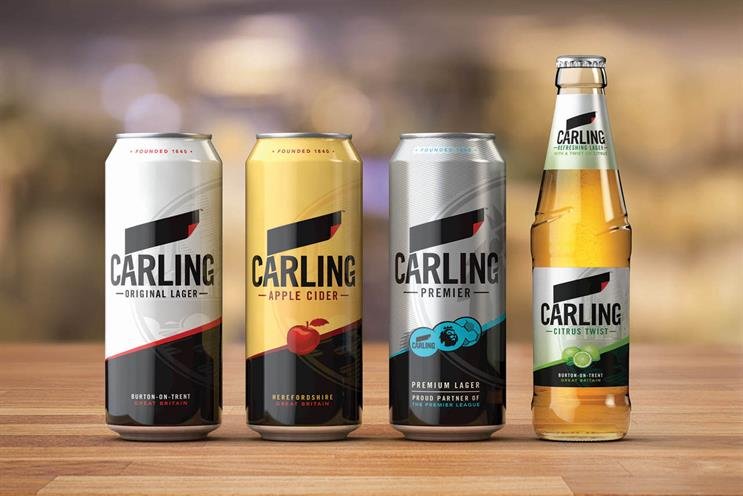
Carling Variants: What the Different Options Mean
Depending on where you are and what’s currently offered, you may see multiple Carling choices. Here’s how to think about them.
Carling Original (Core Lager)
This is the flagship: crisp, light to medium body, mild bitterness, designed for session drinking.
Carling Premier (If Available)
A “Premier” label usually suggests a slightly more refined profile—often pitched as smoother or more premium. If you want something familiar but a touch more polished, this is typically where it sits.
Carling Cider (Where Offered)
In some lineups, Carling extends beyond lager. If you see Carling Cider, treat it as a separate drink category entirely: different base, different sweetness/acid balance, different food pairing rules.
Alcohol-Free or Low-Alcohol Carling (If Available)
Zero or low-alcohol versions are built to mimic the crisp refreshment of the original while keeping alcohol content minimal. The best way to judge them is not by expecting identical flavor, but by asking: “Is it clean, refreshing, and satisfying for what it is?” For many occasions—weeknights, driving, training blocks—these can be a smart choice.
Practical Insights: How to Get the Best Pint or Can of Carling
Most “bad lager experiences” aren’t because the lager is inherently bad. They’re usually because it was served poorly, stored warm, or poured incorrectly. Here’s how to get Carling tasting the way it’s meant to.
Serve It Cold—But Not Ice-Numb
Carling is designed to be refreshing cold. However, if it’s absolutely freezing, you’ll mute what little malt and hop character it has. Aim for properly chilled rather than “so cold it tastes like nothing.”
Practical rule: if the can is cold but not painfully icy to hold, you’re in the right zone.
Use a Clean Glass (This Matters More Than People Think)
A glass that’s been rinsed poorly or still has detergent residue will destroy head retention and leave strange aromas. For a lager like Carling, cleanliness is everything because the flavors are subtle.
Quick test: if bubbles cling to the inside of the glass in random patches, the glass may not be truly clean.
Pour Like This for Better Head and Better Taste
If you want a pub-like pour at home:
- Tilt the glass about 45 degrees
- Pour steadily down the side
- Straighten near the end to form a modest head
That head isn’t just for looks—it helps release aroma and gives the beer a smoother feel on the palate.
Freshness and Storage: Don’t Cook Your Lager
Lager doesn’t like heat. If your Carling has been stored in a hot kitchen, warm garage, or sunny window, you can end up with dull, slightly “stale” flavors.
Best practice:
- Store in a cool, dark place
- Chill upright if possible
- Avoid big temperature swings
Cans vs Bottles vs Draught: What to Choose
- Draught Carling: Often the smoothest and most “alive” when the line cleaning and cellar conditions are good.
- Cans: Excellent at protecting beer from light and generally consistent.
- Bottles: Fine, but more vulnerable to light exposure if stored poorly.
If you want the most reliable at-home experience, cans are usually the safest bet.
Food Pairing: What Goes Best With Carling
Carling’s clean, crisp profile makes it very flexible with food, especially classic pub and party dishes.
Top Pairings (Tried-and-True)
- Fish and chips: The carbonation cuts through batter and oil, refreshing your palate.
- Burgers: Mild bitterness balances salt and fat without overpowering.
- Pizza: Crisp lager works beautifully with melted cheese and tomato acidity.
- Fried chicken: Bubbles + light bitterness = a cleaner bite every time.
- Curry (mild to medium heat): Lager cools the palate and keeps spice manageable.
Snacks That Just Work
- Salted crisps, peanuts, or pretzels
- Nachos and dips
- Sausage rolls
- Loaded fries
Because Carling is not aggressively hoppy, it won’t clash with spicy or heavily seasoned snacks the way some IPAs can.
Examples: Choosing the Right Carling for the Occasion
Sometimes the “best” beer is simply the one that fits the moment. Here are realistic scenarios and what to pick.
Example 1: Backyard Barbecue With Mixed Tastes
Go with Carling Original served very cold in cans or poured into clean glasses. It’s crowd-friendly, and it won’t fight with smoky, salty grilled food.
Example 2: Watching the Match at the Pub
Draught Carling is a classic choice because it’s easy to drink over a long game, and it pairs well with typical pub plates.
Example 3: Weeknight, You Want the Taste but Not the Alcohol
If you have access to an alcohol-free or low-alcohol Carling option, it’s a practical solution when you want something crisp and “beer-like” without the buzz.
Example 4: You Don’t Usually Like Bitter Beer
Carling can be a gentle entry point. Pour it well, drink it cold, and pair it with food—especially salty foods—to make it taste smoother and more balanced.
Expert Tips: How to Enjoy Carling More (Without Pretending It’s Something It’s Not)
Carling doesn’t need to be overanalyzed, but a few small tweaks make a big difference.
Tip 1: Stop Drinking It Half-Warm
If you sip slowly and let it warm up, you may notice sweetness and a softer finish that you don’t love. Keep it cold, and pour smaller servings more often if needed.
Tip 2: Respect the Glass
A proper lager glass or even a simple clean pint glass will outperform drinking straight from the can if you care about taste. Aroma matters, even in subtle beers.
Tip 3: Don’t Pair It With Overly Sweet Foods
Desserts and very sweet sauces can make a crisp lager taste thin. If you want something with dessert, you’d usually go for a different style of beer.
Tip 4: If It Tastes “Off,” Consider the Venue, Not Just the Brand
A poorly maintained draught system can make any lager taste wrong—flat, sour, or oddly chemical. If your pint seems off, it might be line cleanliness, temperature, or gas balance rather than the recipe.
Tip 5: If You Want More Flavor, Choose the Right Upgrade
If you enjoy the clean lager profile but want more character, try stepping “sideways” into a slightly more flavorful lager style rather than jumping straight to aggressive hops. You’ll keep the crispness while gaining malt or hop nuance.
Common Mistakes People Make With Carling
These are the easiest ways to ruin your own experience.
Mistake 1: Storing It in Direct Light
Light exposure can damage beer flavor quickly. Even if you don’t know the chemistry, you can taste the difference: it becomes dull and unpleasant.
Mistake 2: Using a Glass That Smells Like Dishwasher Detergent
A scented glass will make the beer smell wrong, which makes it taste wrong. Always rinse thoroughly and air-dry when possible.
Mistake 3: Over-Freezing It
Partially freezing a lager can mess with carbonation and mouthfeel. You’ll get a harsher pour and a less pleasant texture.
Mistake 4: Expecting It to Taste Like a Craft IPA
Carling is built for balance, refreshment, and easy drinking. If you want big hop aroma, heavy bitterness, or intense fruit notes, you’re simply shopping in a different aisle.
Mistake 5: Pouring Aggressively Into a Flat Glass
Dumping it in can create a gassy, foamy mess and strip some of the carbonation structure. A controlled pour makes the whole drink feel smoother.
FAQs About Carling
Is Carling a lager or an ale?
Carling is a lager. That means it’s fermented with lager yeast at cooler temperatures, resulting in a cleaner, crisper profile than most ales.
What does Carling taste like?
Carling tastes clean and refreshing with light malt (cereal/bready notes), mild hop bitterness, and a crisp finish. It’s designed to be easy to drink rather than intense or complex.
Is Carling considered a “good” beer?
It depends on what you mean by “good.” If you want a dependable, sessionable, widely available lager that’s crisp and straightforward, Carling does that job well. If you want bold craft flavors, you may find it too subtle.
Why does Carling taste different in different pubs?
The most common reasons are serving temperature, glass cleanliness, and the condition of the draught lines. Even a familiar lager can taste noticeably different depending on how well it’s stored and served.
Is Carling best from a can, bottle, or draught?
When a pub keeps its system in great condition, draught can be the best experience. For consistency at home, cans are often the safest choice because they protect beer from light and tend to stay fresher.
How should I serve Carling at home?
Chill it properly, pour into a clean glass at a slight angle, and aim for a modest head. Keep it cold while drinking, especially in warm weather.
What foods pair best with Carling?
Classic pub and party foods: fish and chips, burgers, pizza, fried chicken, nachos, and salty snacks. The carbonation and crisp finish cut through rich, fried, and savory foods nicely.
Can I use Carling for cooking?
Yes. Lager can work in batters, marinades, and stews where you want a light malty note and carbonation lift. Just don’t expect it to add strong hop character—it’s more about subtle balance.
Conclusion
Carling has stayed popular for a reason: it’s a clean, reliable, easy-drinking lager that fits real life. It works at the pub, it works at a party, and it works when you just want something cold, crisp, and familiar. The trick to enjoying it isn’t chasing complexity—it’s serving it properly, keeping it fresh, pairing it with the right foods, and choosing the right format (draught, can, or bottle) for the moment.
If you take one thing from this guide, let it be this: Carling is at its best when it’s cold, well-poured, and shared in the kind of setting it was made for—simple good times, no overthinking required.