
There’s a cut of beef that has captivated millions of meat lovers across South America, and it’s finally getting the attention it deserves in the rest of the world. Picanha steak — pronounced “pee-KAHN-yah” — is the crown jewel of Brazilian churrasco, and once you taste it properly prepared, you’ll understand exactly why Brazilians have guarded this cut as their national treasure for generations.
But here’s the thing. Most people outside of Brazil have never even heard of picanha, and those who have often struggle to find it, prepare it correctly, or understand what makes it so remarkably different from other premium steaks. That’s exactly why I put together this guide. Whether you’ve never touched a raw steak in your life or you consider yourself a seasoned grill master, this article will walk you through absolutely everything you need to know about picanha steak — from what it actually is and where it comes from on the cow, to how you can cook it at home with results that rival the best Brazilian steakhouses in the world.
Let’s get into it.
What Exactly Is Picanha Steak?
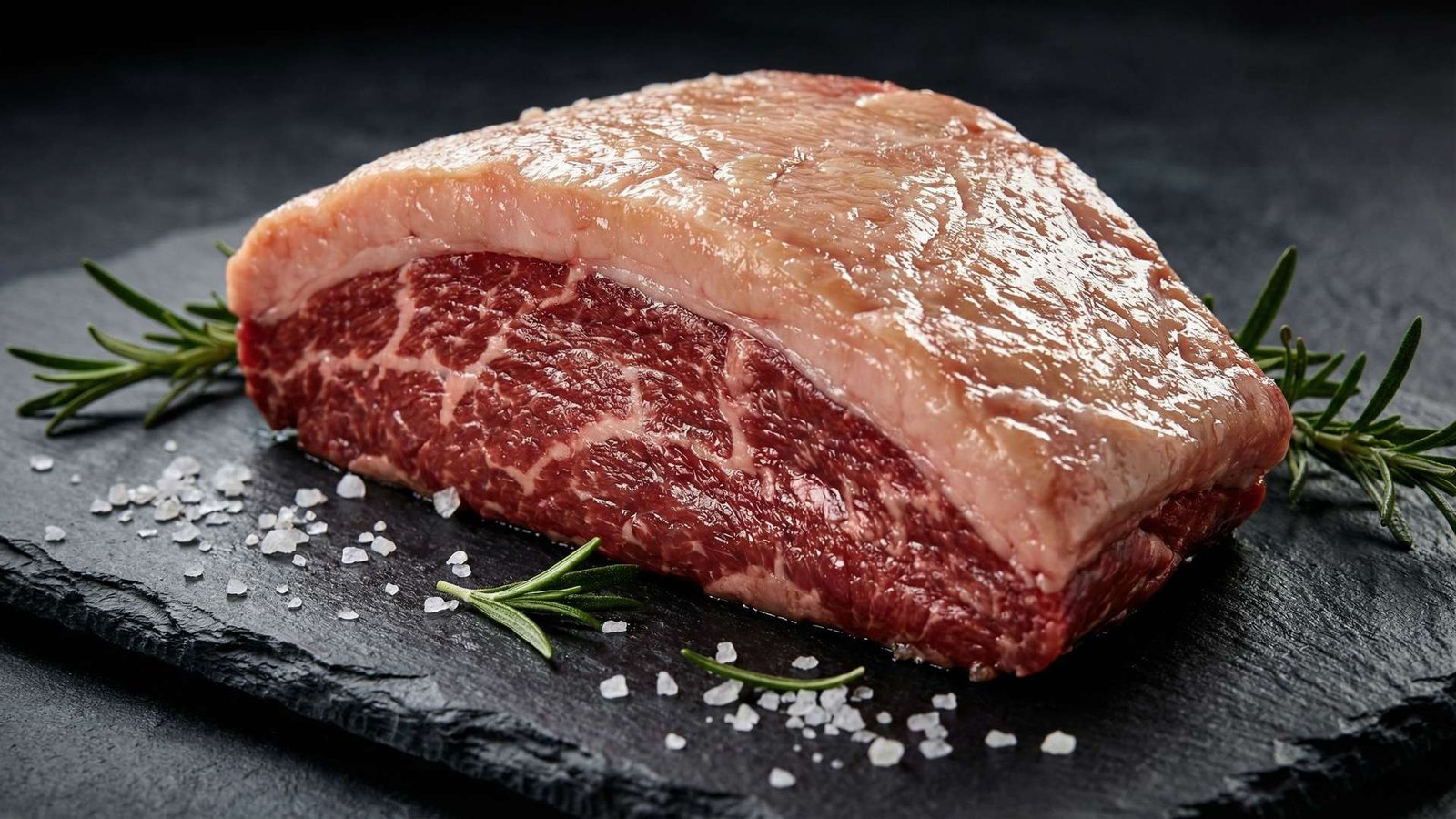
Picanha is a cut of beef taken from the top of the rump, specifically from the area known as the rump cap or sirloin cap. In butchery terms, it sits right above the animal’s hindquarters, and it’s technically part of the larger round primal cut. What makes picanha instantly recognizable — and absolutely essential to its flavor — is the thick layer of fat that caps one side of the meat. This fat cap is not trimmed off before cooking. It’s the defining feature of the cut, and it plays a critical role in delivering the juiciness and richness that picanha is known for.
The whole picanha typically weighs between two and three pounds and has a distinctive triangular shape. When you slice it into individual steaks, you get beautifully curved pieces with a generous strip of fat running along one edge. In Brazil, this cut is so beloved that it commands a premium price at butcher shops and is always the star of any churrasco gathering. It’s the first thing to hit the grill and the last thing anyone wants to run out of.
In the United States, picanha is sometimes labeled as top sirloin cap, rump cap, or coulotte steak. The challenge is that American butchers often break this area down into smaller sub-primals or trim away the fat cap entirely, which essentially strips the cut of its identity. If you want authentic picanha, you need that fat cap intact.
Why Picanha Steak Is So Special
You might be wondering what separates picanha from a ribeye, New York strip, or filet mignon. After all, those are the cuts most people consider premium. The answer lies in a combination of flavor, texture, and the unique cooking experience that picanha offers.
Flavor Profile
Picanha has a beefy, robust flavor that is slightly more intense than a tenderloin but more refined than a standard sirloin. The fat cap bastes the meat as it cooks, infusing every fiber with rich, buttery goodness. You get a depth of flavor that doesn’t require heavy marinades or complicated seasoning — in fact, the best picanha in Brazil is seasoned with nothing more than coarse salt.
Texture and Tenderness
The muscle fibers in picanha are relatively loose and well-marbled compared to other rump cuts. When cooked properly — meaning not overdone — the meat is tender, juicy, and has a satisfying chew without being tough. The fat cap renders beautifully, creating a crispy, caramelized exterior that contrasts perfectly with the soft, pink interior.
Versatility
Picanha works beautifully on a charcoal grill, a gas grill, a cast iron skillet, or even in the oven. It can be cooked as a whole roast, sliced into thick steaks, or skewered in the traditional Brazilian style. This versatility makes it a fantastic option for everything from a casual weeknight dinner to a show-stopping backyard barbecue.
How to Buy the Best Picanha
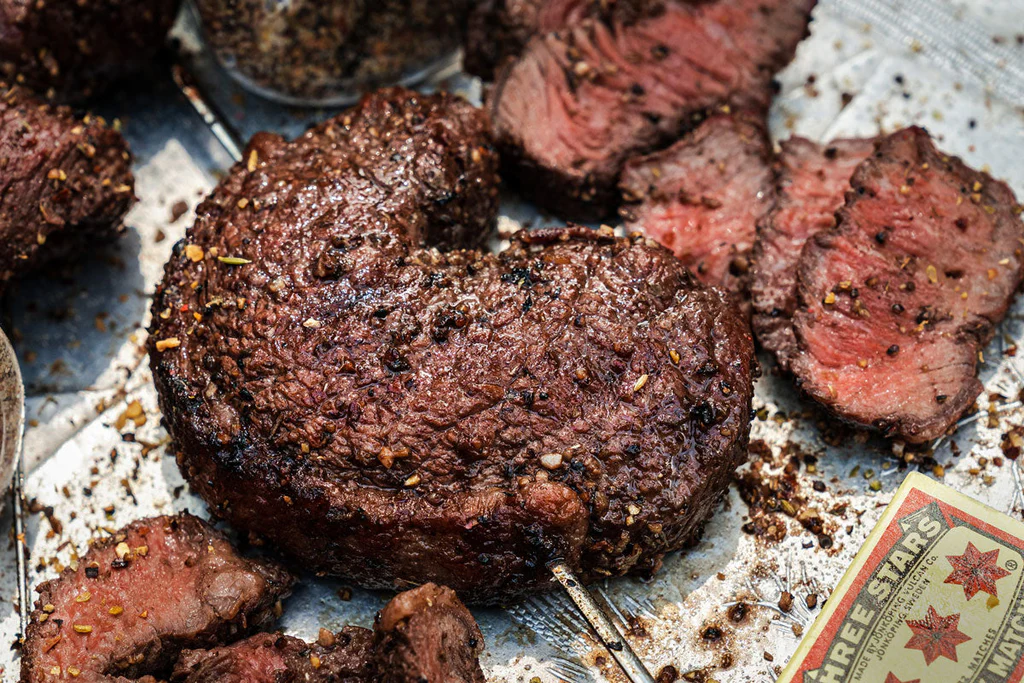
Finding quality Picanha Steak starts at the butcher counter, and knowing what to look for will make or break your final result.
Where to Find It
Your best bet is a Brazilian butcher shop if you have one nearby. Failing that, specialty meat markets, high-end grocery stores, and online meat delivery services often carry picanha. Some Costco locations stock it seasonally as well. When shopping, ask specifically for the rump cap or sirloin cap with the fat cap left on. If the butcher gives you a blank stare, that’s a sign you might need to shop elsewhere.
What to Look For
A quality picanha should have a bright, cherry-red color with visible marbling throughout the lean portion. The fat cap should be firm, white to creamy white, and at least a quarter-inch thick. Avoid cuts where the fat looks yellowed or dried out, as this can indicate older meat or poor handling. The whole piece should feel firm to the touch, not mushy or slimy.
Choosing the Right Grade
USDA Choice is a solid option for picanha, but if you can find USDA Prime, you’ll get significantly more marbling and tenderness. Grass-fed picanha tends to have a more pronounced, slightly gamey flavor, while grain-finished picanha will be milder and more buttery. Both are excellent — it really comes down to personal preference.
How Much to Buy
Plan for roughly half a pound of raw picanha per person. If you’re feeding serious meat lovers or this is the main course without many sides, bump that up to three-quarters of a pound per person. A whole picanha will comfortably feed four to six people depending on appetite.
How to Prepare Picanha Steak for Cooking
Preparation is where many people go wrong, and the beauty of picanha is that less is truly more.
Trimming
Do not trim the fat cap. I cannot stress this enough. The fat cap is not decoration — it’s an integral part of the cut that delivers moisture, flavor, and that incredible crispy texture when properly rendered. If the fat cap is excessively thick (over an inch), you can trim it down to about a half-inch, but never remove it entirely.
Scoring the Fat
Some cooks like to score the fat cap in a crosshatch pattern before cooking. This helps the fat render more evenly, allows seasoning to penetrate, and creates beautiful presentation marks. Use a sharp knife and cut about a quarter-inch deep into the fat, being careful not to slice into the meat itself. This step is optional but recommended, especially for whole roast preparations.
Seasoning
Traditional Brazilian picanha uses only one seasoning: coarse salt. Rock salt or coarse sea salt is applied generously to all sides of the meat, including the fat cap, about thirty to forty-five minutes before cooking. The large crystals draw out surface moisture, which then reabsorbs, creating a deeply seasoned exterior that forms an incredible crust during cooking.
If you want to experiment beyond salt, freshly cracked black pepper, garlic powder, and a touch of smoked paprika complement picanha beautifully without overpowering the natural beef flavor. Avoid sweet rubs or heavy sauces — they mask the very qualities that make this cut worth seeking out.
Slicing for Steaks
If you’re cutting the whole picanha into individual steaks, slice against the grain into pieces roughly one and a half to two inches thick. You’ll typically get four to six steaks from one whole picanha. Make sure each steak has a proportional amount of fat cap attached.
How to Cook Picanha Steak: Four Proven Methods
Method One: Traditional Brazilian Skewer (Espeto)
This is the authentic churrasco method, and it produces arguably the best results.
Slice the whole picanha into thick steaks and bend each piece into a “C” shape with the fat cap on the outside. Thread them onto a long metal skewer, packing them tightly together. Season generously with coarse salt. Grill over high indirect heat, rotating the skewer every few minutes, until the exterior is deeply caramelized and the interior reaches your desired doneness. For medium-rare, you’re looking at an internal temperature of 130 to 135 degrees Fahrenheit.
The key here is patience. The fat cap slowly renders as it faces the heat, basting the meat continuously. The result is an unbelievably juicy steak with a salty, crispy fat crust that shatters when you bite into it.
Method Two: Reverse Sear on the Grill
This method is perfect for home cooks who want steakhouse-quality results.
Set up your grill for two-zone cooking — one side with direct high heat and one side with low indirect heat. Place the picanha steaks fat-side up on the indirect side and close the lid. Let them cook slowly until the internal temperature reaches 115 to 120 degrees Fahrenheit. Then move them to the hot side, fat-side down first, and sear for two to three minutes per side until a deep brown crust forms. Rest for five minutes before serving.
The reverse sear gives you an incredibly even cook from edge to edge, with a perfectly rendered fat cap and a beautiful crust.
Method Three: Cast Iron Skillet
No grill? No problem. A cast iron skillet gets screaming hot and produces a phenomenal sear on picanha steaks.
Heat your cast iron skillet over high heat until it’s smoking. Add a thin film of a high-smoke-point oil like avocado oil. Place the steaks fat-side down first and cook for three to four minutes until the fat is golden and crispy. Flip and sear the bottom for another three to four minutes. For thicker steaks, finish in a 400-degree oven for five to eight minutes until you reach your target internal temperature.
Method Four: Whole Roast in the Oven
If you want to serve picanha as an impressive centerpiece, roasting the whole cut is a showstopper.
Season the entire picanha generously with salt and pepper. Place it fat-side up on a wire rack set inside a sheet pan. Roast at 250 degrees Fahrenheit until the internal temperature reaches 120 degrees. Remove it from the oven, crank the heat to 500 degrees or switch to the broiler, and blast the fat cap until it’s bubbly and deeply browned — about five to eight minutes. Rest the meat for ten minutes, then slice thin against the grain.
Expert Tips for Perfect Picanha Every Time
Getting good results with picanha isn’t difficult, but these tips will elevate your cook from good to extraordinary.
Always let the meat come to room temperature before cooking. Taking it straight from the fridge to the grill creates uneven cooking — a cold center surrounded by overcooked edges. Thirty to forty-five minutes on the counter is ideal.
Invest in a reliable instant-read meat thermometer. Picanha is best enjoyed at medium-rare to medium, which means an internal temperature of 130 to 145 degrees Fahrenheit. Going beyond medium starts to tighten the muscle fibers and dry out the meat, wasting the very qualities that make this cut special.
Always rest your picanha after cooking. Five to ten minutes of resting allows the juices to redistribute throughout the meat. If you cut into it immediately, those juices pour out onto the cutting board instead of staying where they belong — inside the steak.
Slice thin and against the grain when serving. This shortens the muscle fibers and makes every bite tender and easy to chew. Thick slabs of picanha can feel chewy even when perfectly cooked.
Common Mistakes to Avoid
Even experienced cooks make errors with picanha. Here are the most common pitfalls and how to dodge them.
Trimming the fat cap. This is the single biggest mistake. The fat cap is not excess — it’s the soul of the cut. Leave it on.
Overcooking. Picanha is not a cut that benefits from being cooked well done. Beyond medium, the texture becomes dry and tough. If you prefer your steak well done, a fattier cut like ribeye will be more forgiving.
Using too many seasonings. Heavy marinades, sweet barbecue rubs, and sugary glazes overpower picanha’s natural flavor. Keep it simple. Salt is king.
Cooking over too-high direct heat the entire time. This chars the outside before the inside has time to cook. Use a combination of indirect and direct heat for the best results.
Skipping the rest period. Cutting into your picanha the second it comes off the heat guarantees a dry, disappointing result. Be patient.
Slicing with the grain. This creates long, stringy fibers that are tough to chew. Always identify the direction of the grain and cut perpendicular to it.
Serving Suggestions and Side Dishes
In Brazil, picanha is traditionally served with white rice, black beans (feijoada-style), farofa (toasted cassava flour), and vinagrete — a fresh salsa made from diced tomatoes, onions, peppers, and vinegar. This combination creates a balanced meal with the rich, fatty steak playing off the starchy, slightly tangy sides.
For a more American-style presentation, picanha pairs beautifully with chimichurri sauce, grilled vegetables, roasted potatoes, or a simple arugula salad dressed with lemon and olive oil. The peppery bitterness of arugula cuts through the richness of the meat perfectly.
A bold red wine like Malbec or Cabernet Sauvignon is the classic beverage pairing, though a cold lager works equally well in a casual setting.
Frequently Asked Questions About Picanha Steak
Is picanha the same as tri-tip?
No. While both come from the rear of the animal and have a similar shape, they are different muscles entirely. Tri-tip comes from the bottom sirloin, while picanha comes from the top of the rump. Tri-tip is leaner and has a different grain structure.
Can I cook picanha from frozen?
It’s possible but not recommended. Frozen picanha won’t sear properly and will cook unevenly. Always thaw it fully in the refrigerator for 24 to 48 hours before cooking.
Why is picanha so popular in Brazil but not in the United States?
American butchery traditions tend to break the rump area into smaller cuts and trim away the fat cap. In Brazil, the whole picanha with its fat cap is treated as a single, prized cut. Growing awareness and the rise of Brazilian steakhouses are changing this, and picanha is becoming much more widely available in the U.S.
What internal temperature should I cook picanha to?
For medium-rare, aim for 130 to 135 degrees Fahrenheit. For medium, target 140 to 145 degrees. Remember that the temperature will rise another five degrees during resting, so pull the meat off the heat a few degrees early.
Can I cook picanha in an air fryer?
You can, though the results won’t match a grill or cast iron skillet. The air fryer won’t produce the same level of caramelization on the fat cap. If it’s your only option, cook at 400 degrees for about twelve to fifteen minutes, flipping halfway through.
How do I store leftover picanha?
Wrap leftover sliced picanha tightly in plastic wrap or place it in an airtight container. It will keep in the refrigerator for three to four days. Reheat gently in a low oven or skillet to avoid overcooking.
Conclusion
Picanha steak is one of those rare cuts that delivers extraordinary results with minimal effort. It doesn’t need fancy equipment, expensive seasoning blends, or years of grilling experience. What it does need is respect — respect for the fat cap, respect for simple seasoning, and respect for proper cooking temperatures. Get those three things right, and you’ll produce a steak that stands shoulder to shoulder with cuts costing twice as much.
If you’ve never tried picanha before, I genuinely envy you. That first bite — the crackle of rendered fat giving way to perfectly pink, impossibly juicy beef seasoned with nothing but salt — is a moment you’ll remember. And if you’re already a picanha convert, I hope this guide gave you a few new techniques and insights to make your next cook even better.
Find a good butcher. Buy a beautiful piece of rump cap with its fat cap proudly intact. Keep the seasoning simple. Cook it with care. And enjoy every single bite. That’s the picanha way.