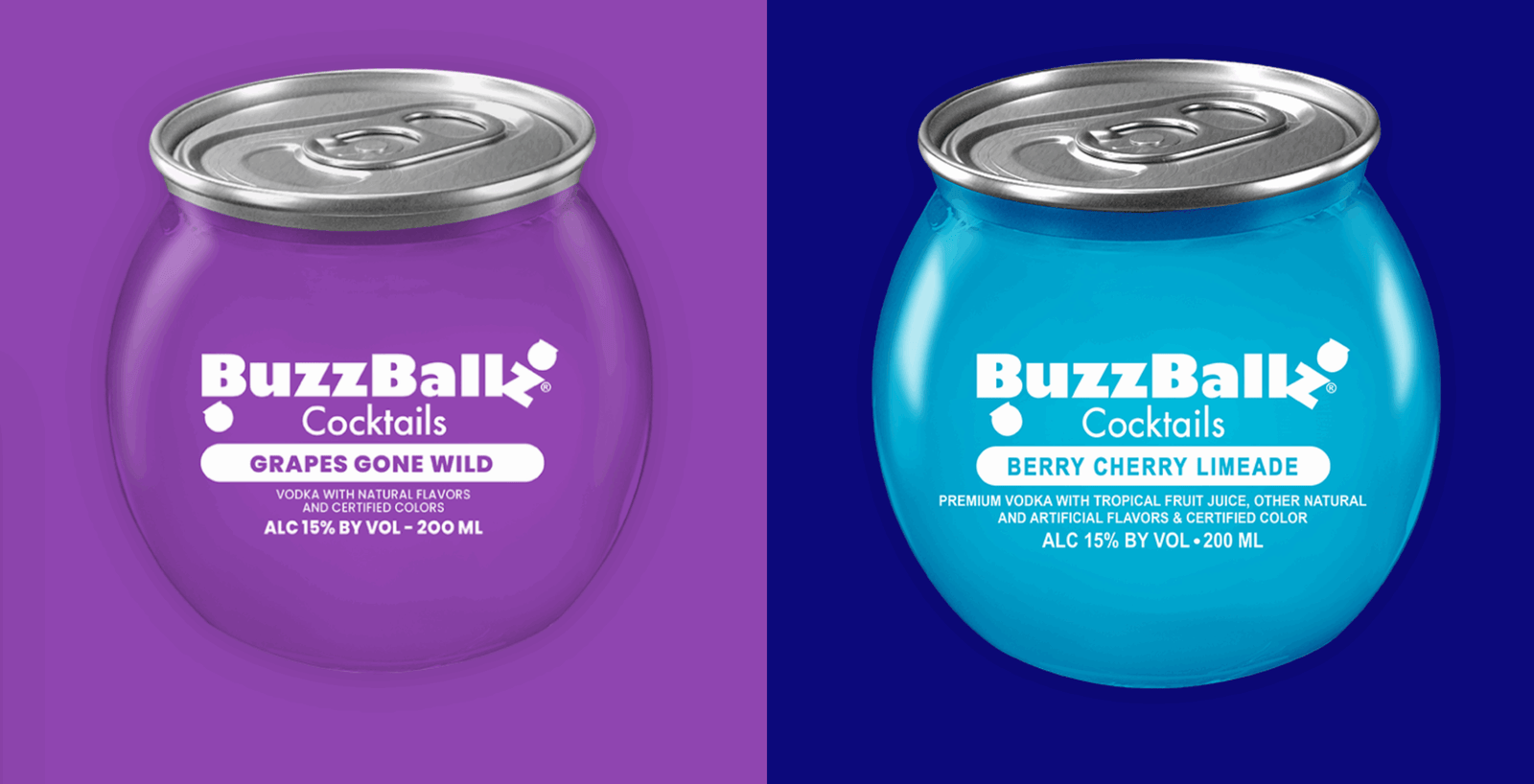
If you’ve ever spotted a small, round, brightly colored cocktail in a convenience store cooler or at a party and heard someone call it a “blue buzzball,” you already know the appeal: it’s bold, sweet, easy, and built for instant fun. But there’s more to this little blue drink than the color and the hype. Depending on the exact flavor, a blue buzzball can taste tropical, candy-like, citrusy, or even creamy, and the alcohol strength often surprises first-timers.
In this guide, you’ll learn exactly what people mean by “blue buzzball,” what it typically contains, how strong it is, what it tastes like, how to serve it so it actually tastes good (not just sweet), how to mix it into better cocktails, and how to avoid the most common mistakes that lead to headaches and regret. Whether you’re trying one for the first time or you want to level up how you drink it, you’ll walk away with practical, real-world tips that make the experience better.
What Is a “Blue BuzzBall”?
“Blue buzzball” is a common nickname people use for a blue-colored BuzzBall-style premixed cocktail—most often referring to BuzzBallz, the popular ready-to-drink (RTD) brand sold in a distinctive spherical container. The “blue” part usually points to a flavor that’s dyed or naturally tinted a vibrant blue, often with a fruity profile (think blue raspberry, tropical punch, or “blue Hawaiian” vibes).
Because flavors and seasonal rotations can vary by location, “blue buzzball” isn’t always one exact recipe. It’s more like a category: a bright-blue, sweet-forward, high-impact RTD cocktail in a small, grab-and-go format.
Why the Blue BuzzBall Is So Popular
There are a few reasons this drink has become a staple at parties, pre-games, and casual hangouts:
- Convenience: No shaker, no measuring, no bar tools. Chill, shake, open, drink.
- Strong-for-its-size: Many of these small containers pack more alcohol than people expect.
- Flavor-first: Sweet, fruity, and approachable for people who don’t love the taste of straight liquor.
- Social media-friendly: The electric-blue color looks wild in photos, cups, and cocktail glasses.
- Consistency: You know what you’re getting—no bartender variability.
Blue BuzzBall Alcohol Content: How Strong Is It?
The exact alcohol by volume (ABV) depends on the specific product and flavor, but many BuzzBall-style cocktails live in the mid-teens ABV range. In plain terms, that’s often stronger than beer and many hard seltzers, and it can be comparable to a generous glass of wine—except it goes down much faster because it tastes like juice or candy.
A Practical Way to Think About Strength
If you’re trying to pace yourself, don’t judge it like a soda. Judge it like a cocktail.
- A typical beer is often around 4–6% ABV.
- Many hard seltzers are around 4–8% ABV.
- A lot of ready-to-drink cocktails (including many “buzzball” style products) can be around 12–15% ABV (sometimes more).
The best habit: check the label every time. Even within the same brand, ABV can vary by product line and flavor.
How Many “Drinks” Is One Blue BuzzBall?
It depends on the size and ABV, but a small container can easily equal more than one standard drink for some people—especially if it’s higher ABV. If you’re driving later, watching calories, or trying not to overdo it, treat it with the same respect you’d give a mixed drink.
What’s In a Blue BuzzBall? Ingredients, Sweetness, and What to Expect
A blue buzzball is usually built like a bar cocktail that’s been stabilized for shelf life and consistency. You’ll typically see:
- A spirit base (often vodka, rum, or a neutral spirit, depending on the flavor profile)
- Flavoring (fruit and candy-style flavors are common)
- Sweeteners (often noticeable)
- Acidity (to brighten the flavor and keep it from tasting flat)
- Coloring (blue is usually achieved with approved food colorings)
- Preservatives or stabilizers (common in RTDs)
- Sometimes dairy or cream components (more common in dessert-style flavors, less common in “blue” fruity ones, but always check)
Allergens and Dietary Notes
Some RTD cocktails contain dairy, egg, or other allergens depending on flavor. If you’re lactose intolerant, vegan, gluten-sensitive, or avoiding certain additives, read the can/bottle closely. A “blue” fruity buzzball is usually less likely to be creamy, but it’s never guaranteed.
What Does a Blue BuzzBall Taste Like?
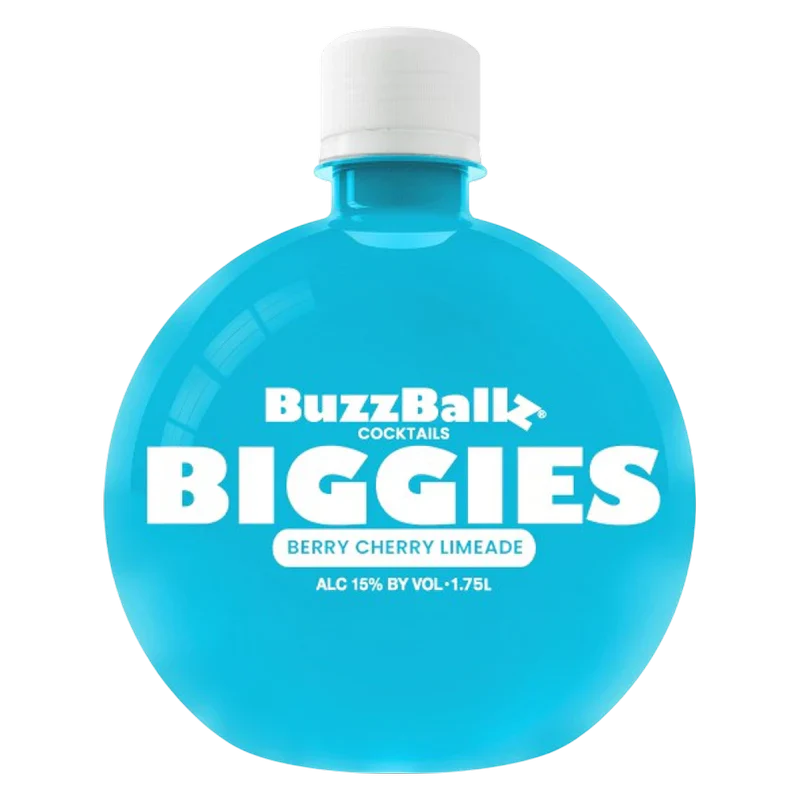
Most blue buzzball flavors share a few common traits:
- Sweet-forward: The first impression is usually candy-like sweetness.
- Fruity and aromatic: Blue raspberry, citrus, pineapple, coconut, or mixed-berry notes are common in “blue” profiles.
- Slight alcohol heat: You may notice a warm finish, especially if it isn’t chilled.
- Tart edge (sometimes): Better versions have a little acidity to keep the sweetness in check.
The Temperature Makes or Breaks It
This is the single most important quality factor:
- Ice-cold: smoother, more refreshing, less “boozy,” less syrupy.
- Warm: thicker mouthfeel, more sweetness, more alcohol burn.
If you’ve tried one and hated it, there’s a good chance it simply wasn’t cold enough.
Blue BuzzBall Flavors: What “Blue” Usually Means
Depending on what’s available in your area, “blue buzzball” may refer to different flavor names, but it typically falls into one of these flavor families:
Blue Raspberry / Candy Blue
This is the “electric” flavor style: bright, sweet, and nostalgic, like a slushie or hard candy. It’s a crowd-pleaser, but it can be intense if you don’t like sugary drinks.
Blue Hawaiian / Tropical Blue
Think pineapple-coconut-citrus vibes with a blue twist. This style tends to feel more “vacation cocktail” than “gas station candy,” especially when served over ice with a citrus garnish.
Blue Berry Citrus / Lemonade Blue
These lean tangier and can taste more refreshing. If you’re sensitive to sweetness, this is usually the better direction because the acidity helps balance the sugar.
Because naming and availability vary, use your senses and the label description: if it mentions pineapple, coconut, citrus, lemonade, or berry, you can usually predict how it’ll drink.
How to Drink a Blue BuzzBall the Best Way (Simple, Practical, Works Every Time)
You can drink it straight from the container, but if your goal is “this actually tastes good,” do this instead.
Step-by-Step: The Best Basic Serve
- Chill it hard: refrigerator cold at minimum; briefly in the freezer is even better (don’t forget it in there).
- Shake well: many RTDs separate slightly. A good shake fixes the texture and flavor.
- Pour into a cup with fresh ice: ice improves the experience and helps pace you naturally.
- Add a squeeze of citrus (optional but huge): lemon or lime cuts sweetness and wakes up the flavor.
- Garnish if you want it to feel like a real cocktail: citrus wedge, pineapple slice, or a few berries.
Glassware That Makes It Better
- Highball glass: best for adding ice and lengthening with soda.
- Rocks glass: best if you want it strong and cold without dilution getting out of hand.
- Insulated cup: underrated for keeping it cold during outdoor events.
Practical Insights: When a Blue BuzzBall Makes Sense (and When It Doesn’t)
A blue buzzball shines in situations where speed and simplicity matter:
- Tailgates and outdoor hangouts
- Beach or pool days (if allowed)
- House parties where nobody wants to bartend
- Travel-friendly setups (again, where legal)
But there are moments when it’s not ideal:
- If you dislike sweet cocktails
- If you’re sensitive to high-sugar drinks
- If you’re prone to drinking too fast (these go down easy)
A smart move is to “lengthen” it (add mixer) so you can enjoy the flavor without turning it into a quick, heavy hit.
Examples: Easy Blue BuzzBall Cocktail Upgrades (No Bartender Skills Needed)
These are simple upgrades that make a blue buzzball taste more balanced, more refreshing, and more “cocktail bar” than “straight sweet.”
1) Blue BuzzBall Spritz (Lighter, More Refreshing)
- Pour blue buzzball over a tall glass of ice
- Top with a splash of lemon-lime soda or plain sparkling water
- Squeeze in fresh lemon or lime
Why it works: bubbles and citrus cut sweetness and make it more drinkable.
2) Blue Tropical Highball (Vacation Style)
- Blue buzzball over ice
- Add a small splash of pineapple juice (or orange juice)
- Finish with sparkling water if it’s too sweet
- Garnish with lime
Why it works: it shifts the profile toward a tropical cocktail without making it cloying.
3) Blue Slush Cup (Hot Weather Hero)
- Fill a cup with crushed ice
- Pour in the blue buzzball slowly
- Stir until it slushes up
- Add a pinch of salt and a squeeze of lime if it’s overly sweet
Why it works: crushed ice and a tiny bit of salt can make fruity flavors pop and feel less syrupy.
4) Blue Party Punch (For Groups)
- In a large pitcher, combine multiple blue buzzballs with plenty of ice
- Add sliced lemons/limes
- Add a liter of sparkling water or lemon-lime soda
- Taste and adjust with more citrus
Why it works: dilution, citrus, and volume turn it into a slower-sipping party drink.
Expert Tips for Making a Blue BuzzBall Taste Better
Balance Sweetness Like a Pro
If it tastes too sweet, don’t force it—fix it:
- Add acid: lemon/lime juice is the fastest correction
- Add bubbles: sparkling water lifts flavor and reduces syrupy texture
- Add dilution: more ice and a stir often solves the “too intense” problem
Use Salt (Yes, Really)
A tiny pinch of salt can reduce perceived bitterness and make fruit flavors taste brighter. Don’t overdo it; you’re not making soup. This is a bartender trick that works especially well with candy-like blue flavors.
Don’t Skip the Shake
Many RTDs benefit from a strong shake before opening. It improves texture and makes the flavor more consistent from first sip to last.
Think About Pairings
Blue buzzball flavors are usually fruit-forward, so pair them with:
- Spicy snacks (chips with heat, wings, spicy nuts)
- Salty snacks (pretzels, popcorn)
- Grilled foods (burgers, skewers)
- Citrus-forward foods (tacos with lime, ceviche-style flavors)
Salt and spice help balance sweetness, which is exactly what most people want with a blue drink.
Pace With a “One-Glass Rule”
Instead of sipping directly from the container, pour it into one glass and commit to finishing that glass slowly. It sounds small, but it helps you track how fast you’re drinking—especially when the flavor hides the alcohol.
Common Mistakes People Make With Blue BuzzBall (and How to Avoid Them)
Mistake 1: Drinking It Warm
Warm blue buzzball tends to taste aggressively sweet and more alcoholic. Keep it very cold. If you’re bringing it somewhere, transport it in a cooler and bury it in ice.
Mistake 2: Chugging Because It Tastes Like Candy
The “goes down easy” factor is real. Treat it like a cocktail, not a soft drink. Take breaks, drink water, and eat something salty or protein-rich.
Mistake 3: Mixing It With Too Much Sugar
Pairing a sweet RTD with energy drinks, extra juice, or syrupy soda often leads to a heavy, cloying drink—and a rough next morning. If you want to mix, choose sparkling water, soda water, or citrus.
Mistake 4: Not Checking the ABV
Different flavors and products can vary. If you’re watching your intake, the label matters more than the color.
Mistake 5: Over-diluting It
Yes, ice helps. But if you let it sit forever, the flavor can get watery and weird. If you want it lighter, top with sparkling water instead of relying on melted ice alone.
Blue BuzzBall for Parties: Planning, Serving, and Keeping It Cold
If you’re hosting, the biggest wins are temperature and pacing.
How to Serve It at a Party Without a Mess
- Pre-chill everything the night before
- Keep them in an ice chest and restock in small batches
- Provide cups, ice, citrus wedges, and sparkling water
- Put out a trash bag nearby (these containers add up fast)
A Simple “Better Than Straight” Self-Serve Station
Set out:
- Ice bucket
- Lemon and lime wedges
- Sparkling water and lemon-lime soda
- A stir stick or spoon
Guests can build their own “spritz” version, which usually leads to happier palates and fewer over-sweet drinks.
Advanced Level: How to Choose the Right Blue BuzzBall for Your Taste
Not everyone likes the same style. Here’s how to pick based on what you usually enjoy:
If You Like Hard Seltzers
Look for blue flavors that lean citrus or berry-citrus rather than candy. Then lengthen with sparkling water and lots of ice.
If You Like Sweet Cocktails
The candy-blue and tropical-blue styles will be your lane. Serve ice-cold, and consider a squeeze of lime so it doesn’t taste one-note.
If You Hate Sugary Drinks
You may still enjoy it if you:
- Add sparkling water
- Add citrus
- Pour over crushed ice
- Sip slowly
But if you truly dislike sweet profiles, you’ll probably prefer a different RTD category altogether.
FAQs About Blue BuzzBall
What is the blue buzzball called?
“Blue buzzball” is usually a nickname for a blue-colored BuzzBall-style premixed cocktail. The exact flavor name depends on what’s sold where you live, but it’s typically a fruity or tropical profile.
How much alcohol is in a blue buzzball?
It varies by product and flavor. Many are in the mid-teens ABV range, but you should always confirm on the label because different versions can differ.
Is a blue buzzball carbonated?
Most blue buzzball-style cocktails are not naturally carbonated. If you want fizz, add sparkling water or a lemon-lime soda.
Should you shake a blue buzzball?
Yes. Shaking helps recombine ingredients, improves texture, and makes the flavor more consistent—especially if it’s been sitting.
Does it need to be refrigerated?
It’s best served very cold. Some can be stored at room temperature if unopened, but chilling dramatically improves taste. For storage rules and freshness, follow the label.
Why does it taste so sweet?
RTD cocktails often lean sweet to appeal to a wide range of drinkers and to mask alcohol bite. If it’s too sweet for you, add ice, citrus, or sparkling water.
What can I mix with a blue buzzball?
Great mixers include sparkling water, soda water, lemon-lime soda (in small amounts), and fresh lemon/lime juice. If you mix with juice, choose something tart (like lemonade-style citrus) and keep portions modest.
What foods pair well with a blue buzzball?
Salty snacks, spicy foods, grilled items, and citrusy dishes pair well because they balance sweetness and keep the drink feeling refreshing.
Is the blue buzzball gluten-free or vegan?
It depends on the exact product and flavor. Some RTDs contain dairy or other ingredients that won’t fit certain diets. The safest approach is to check the label for allergen and ingredient information.
Conclusion: Enjoy the Blue BuzzBall Like You Meant To
A blue buzzball is fun for a reason: it’s convenient, flavorful, and unapologetically bold. The trick is knowing how to handle it so it tastes great and treats you well. Chill it hard, shake it, pour it over ice, and don’t be afraid to add a squeeze of citrus or a splash of sparkling water. Those tiny adjustments turn a super-sweet novelty drink into something genuinely enjoyable.
If you’re trying a blue buzzball for the first time, start slow, treat it like a cocktail, and find the serving style that matches your taste—candy-blue, tropical-blue, or citrus-blue. Once you do, you’ll understand why this little bright-blue drink keeps showing up everywhere.